SaaS Monetization Strategies: Turning Tools Into Sustainable Income
When we think about SaaS (Software as a Service), most people picture large companies running global platforms. But in today’s digital landscape, individuals and small teams can also create, resell, or strategically use SaaS tools to generate sustainable income. Whether it’s through microservices, affiliate programs, or creative automation, SaaS monetization has become an exciting frontier for digital entrepreneurs. Let’s explore the main strategies to transform SaaS tools into revenue streams.
CategoryCore PointBenefit
| Community Value | Build paid groups, tutorials, curated toolkits | Recurring income, authority positioning |
| White-Label SaaS | Rebrand and resell existing SaaS platforms | Revenue without building software |
| Pricing Psychology | Tiered plans and premium bundles | Higher conversion & customer lifetime value |
| Cross-Platform Integration | Connect multiple SaaS tools for clients | Saves time, high demand service niche |
| Trust Building | Support, branding, testimonials | Differentiation, long-term stability |
| Time Leverage | Automate, productize, and scale digitally | Earn income without trading hours |
Building Microservices on Top of SaaS Platforms
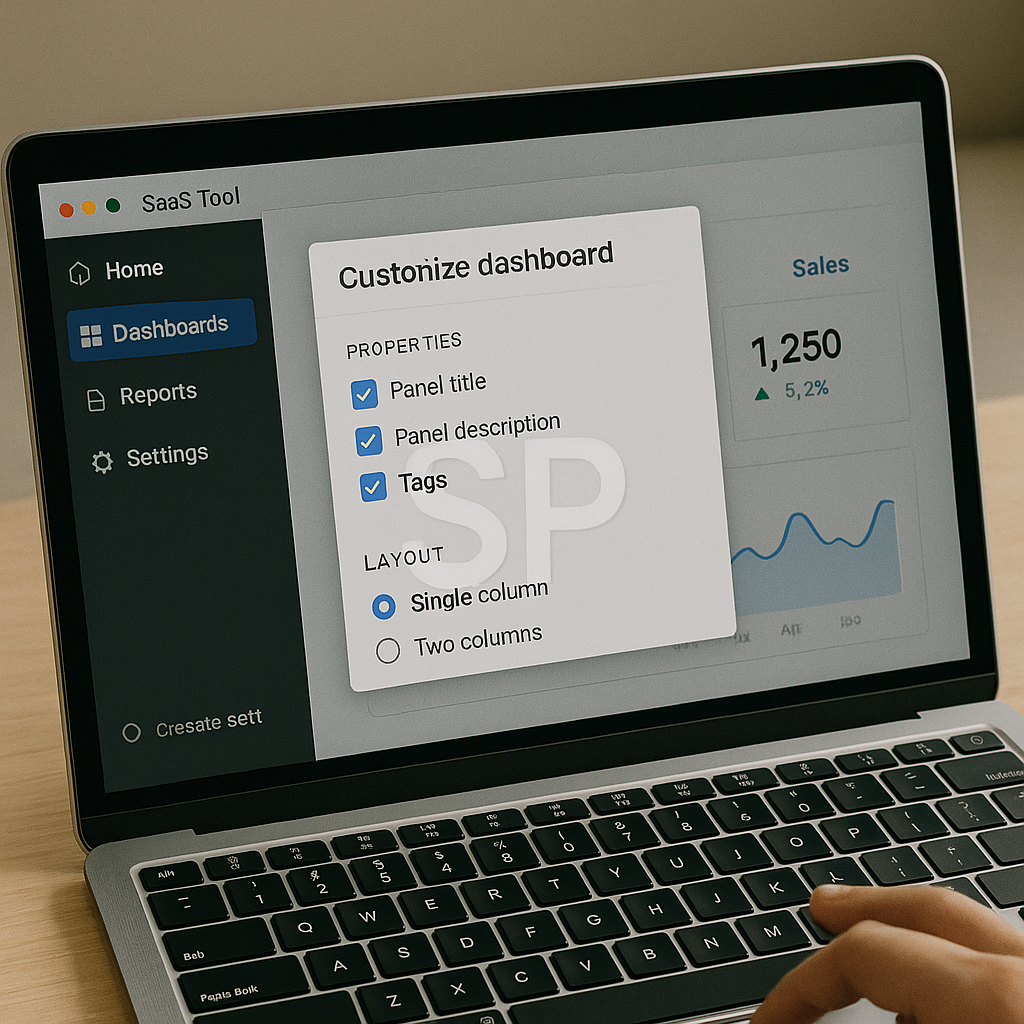
One of the simplest ways to monetize SaaS is by creating microservices that extend existing tools. For example, offering custom dashboards, templates, or automation layers on top of platforms like Notion, Airtable, or Slack. These add-ons solve niche problems, and users are often willing to pay for specialized solutions. The beauty of microservices is scalability—you can build once and sell repeatedly without significant overhead.
Leveraging SaaS Affiliate and Partner Programs
Many SaaS providers run affiliate programs that reward users for bringing in new customers. Think of tools like HubSpot, ConvertKit, or Notion. By writing tutorials, sharing templates, or reviewing tools on blogs and YouTube, you can earn recurring commissions when people sign up. This strategy combines content creation with passive income, and it works especially well for creators who already engage with tech-savvy audiences. :)
API-Driven Monetization
APIs (Application Programming Interfaces) open another door for revenue. Developers can connect multiple SaaS platforms to build unique workflows. Imagine integrating a payment API with a CRM system and adding analytics layers for small businesses. By packaging these custom solutions, freelancers and agencies can charge for setup, management, and ongoing support. This turns technical expertise into recurring revenue streams. ^^
Monetizing SaaS Through Data and Archiving
Data is the new currency, and SaaS tools generate plenty of it. Collecting, organizing, and archiving business data into actionable insights is highly valuable. For example, turning Google Analytics dashboards into client-friendly reports, or transforming raw e-commerce data into trend forecasts. By productizing data services, you position yourself not just as a user of SaaS but as a provider of strategic insights.
Subscription Models and Community Bundles
A powerful strategy is combining multiple SaaS tools into subscription-based communities. For example, creating a membership site that offers curated toolkits, templates, and educational content. Subscribers pay monthly fees for bundled value. This approach works especially well in niches like productivity, e-learning, or creative industries, where users want integrated solutions rather than managing dozens of separate accounts.
Sometimes the best monetization strategy is using SaaS to optimize your own workflows. Automating client onboarding, payment processing, or content scheduling saves hours of manual work. The time saved becomes an indirect income stream, letting you serve more clients or launch side projects with the freed-up capacity.
SaaS monetization is no longer reserved for large corporations. With creativity and strategy, anyone can leverage SaaS platforms for revenue—whether by building microservices, using affiliate programs, exploiting APIs, or creating bundled communities. The real secret is not just using tools but transforming them into systems that produce value for others. How would you like to turn the SaaS tools you already use into your next income stream? ^^
Expanding on the concept of SaaS monetization, one of the biggest advantages is that it enables scalability without requiring huge infrastructure. A single creator can build a workflow, a template, or an API integration once, and then sell it to hundreds of people around the world. Unlike traditional businesses, where growth demands more physical resources, SaaS-based products are digital-first—meaning distribution is nearly limitless. This is why many independent entrepreneurs are diving into SaaS-related income models.
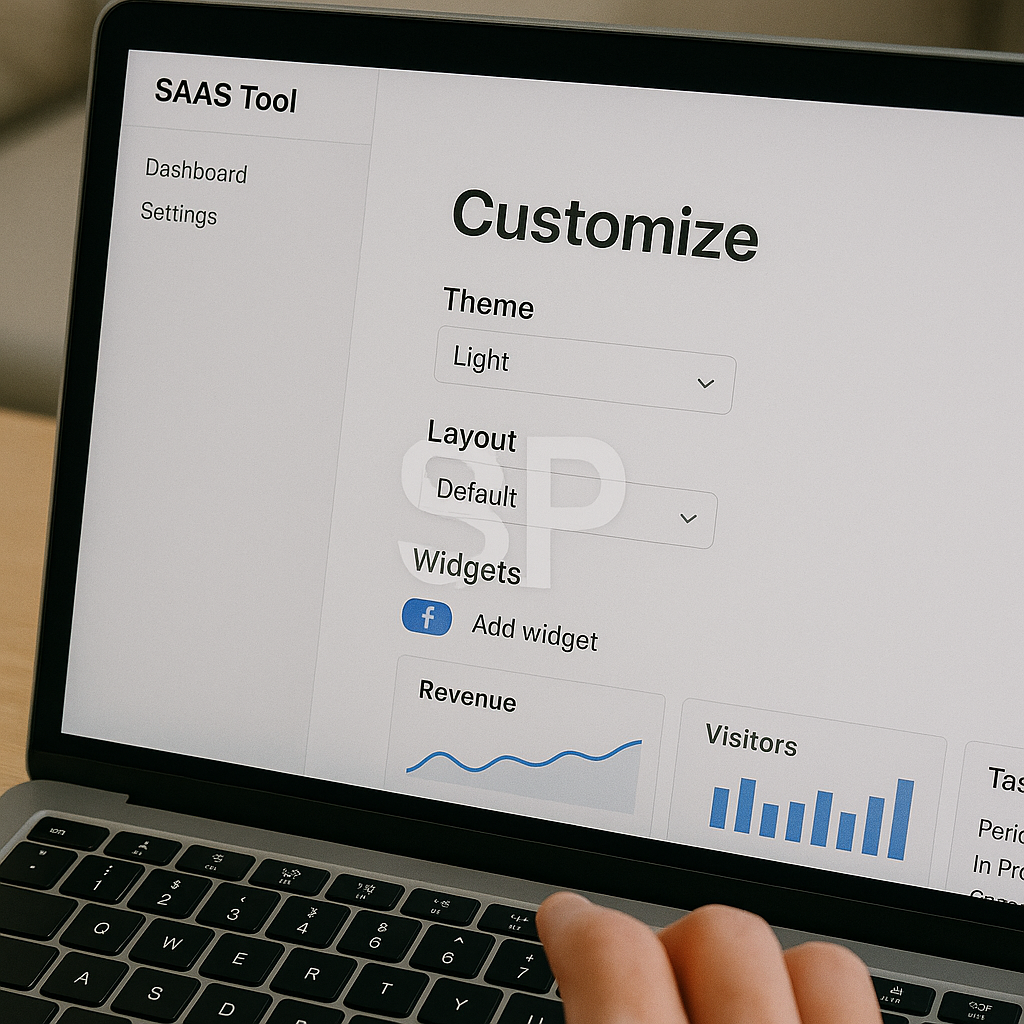
Another important aspect is community-driven value. People don’t just buy tools; they want to know how to use them effectively. That’s why guides, workshops, and knowledge-sharing communities are valuable monetization layers. By creating a paid community that provides curated SaaS toolkits, live tutorials, or networking opportunities, you can generate recurring subscription income while positioning yourself as an authority. Over time, these communities can even evolve into full-fledged platforms. ^^
Freelancers and small agencies often overlook the potential of white-label SaaS services. Many providers allow their tools to be rebranded, so you can offer them under your own business name. Imagine reselling a project management SaaS platform to small local companies who may not know about the original provider. You handle the onboarding, support, and billing, while the underlying SaaS does the heavy lifting. This creates recurring revenue without the need to build the software yourself.
When talking about monetization, we should also address pricing psychology. The beauty of SaaS products is that they allow tiered pricing models—basic, pro, enterprise. As an individual entrepreneur, you can mimic this approach by offering different packages. For example, a basic Notion template at a low one-time price, and a premium version bundled with coaching calls or automation scripts at a higher subscription fee. Giving customers choice increases conversion and maximizes lifetime value. :)
Another underestimated opportunity lies in cross-platform integrations. Modern businesses rarely operate with a single tool. They juggle CRM systems, email marketing software, payment platforms, and analytics dashboards. If you can create seamless connections between these tools, clients will happily pay for your expertise. Integration-as-a-service is one of the fastest-growing niches in the SaaS economy because it saves companies both time and headaches.
Of course, sustaining SaaS monetization also requires trust and credibility. Customers need to feel confident that your templates, microservices, or automations won’t disappear overnight. Building a brand, maintaining customer support, and showcasing testimonials are all part of the monetization process. This is especially true in global markets, where competition is fierce and trust is the differentiator.
the true power of SaaS monetization is that it doesn’t just provide money—it creates time leverage. By automating tasks, productizing services, and delivering solutions digitally, you free yourself from the limitations of trading hours for income. This leverage is what makes SaaS monetization particularly attractive to digital nomads and creators who value flexibility. Once your systems are in place, income can continue to flow even while you’re asleep or traveling. ^^
In short, monetizing SaaS tools is about more than selling software. It’s about solving problems, building communities, offering integrations, and designing experiences people are willing to pay for. The digital economy rewards those who think creatively and package value effectively. The question isn’t whether SaaS monetization works—it’s which strategy you’ll use to make it work for you.