SaaS Monetization Strategies: Turning Software into Scalable Income in 2025
The software-as-a-service industry has exploded over the past decade, and in 2025, the opportunities for generating income from SaaS have never been greater. Whether you’re a solo developer building a niche tool or a startup scaling globally, understanding the right SaaS monetization strategy is essential to long-term success.

One of the most common and effective methods is the subscription model. Customers pay a recurring monthly or yearly fee, giving you predictable revenue and the ability to reinvest in product improvements. While it may sound straightforward, optimizing pricing tiers is an art. Offering a free plan can attract users quickly, but converting them into paying customers requires smart feature gating and clear value delivery.
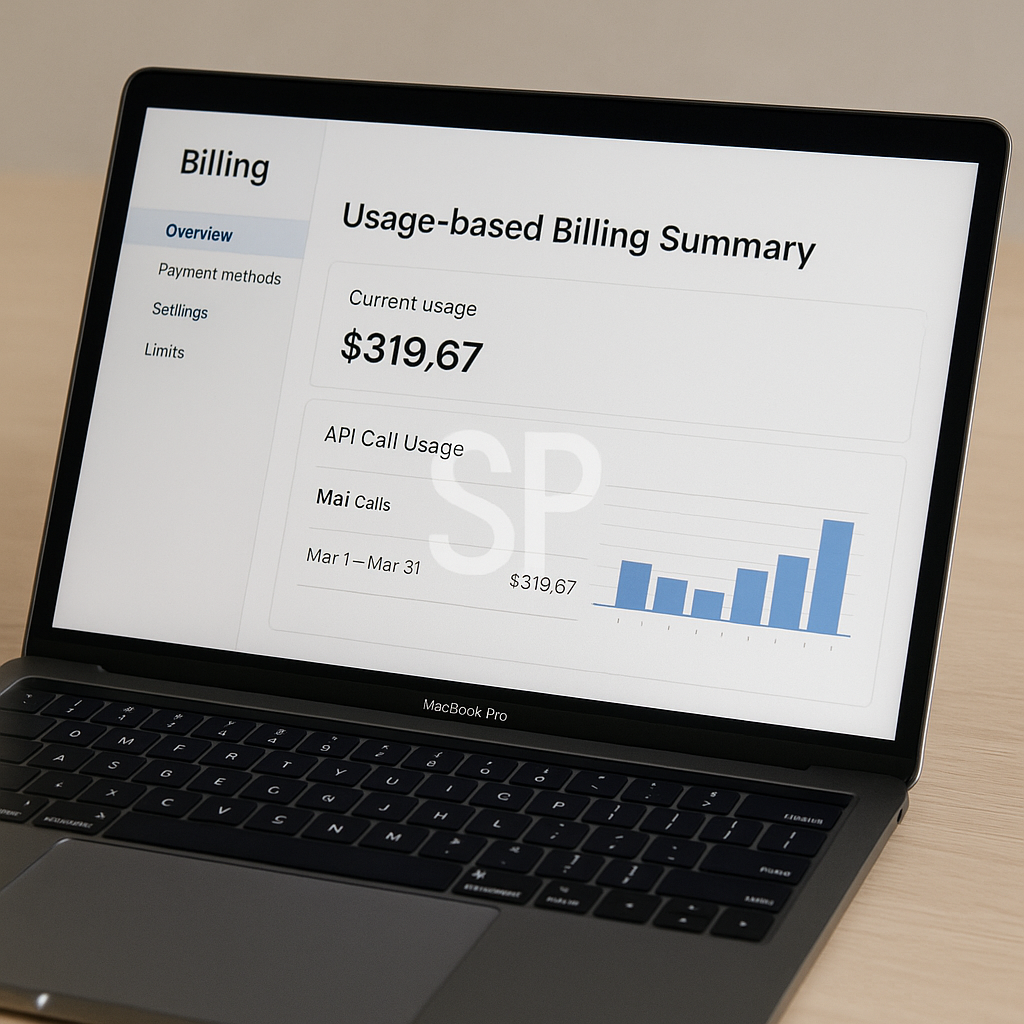
Beyond subscriptions, usage-based pricing is gaining traction. Instead of charging a flat rate, this model ties costs directly to how much the customer uses the service—whether it’s API calls, storage, or active users. This structure aligns value with usage, making it appealing to businesses of all sizes. For developers building API-first products, API strategy combined with usage-based pricing can be incredibly powerful.
Another opportunity lies in microservices. By unbundling software into smaller, modular components, you can sell features individually. This approach lets customers pay only for what they need, while you tap into a broader audience. Many global SaaS companies are moving toward this trend, not only for technical efficiency but also for more flexible SaaS monetization options.
Don’t overlook affiliate and partnership programs. A well-structured affiliate system can expand your reach by encouraging other creators to promote your tool. Strategic partnerships, especially with established platforms, can instantly expose your SaaS to thousands of new customers.
Of course, the key challenge is balancing growth with sustainability. Setting prices too low can undervalue your product, but charging too much may limit adoption. The best approach is iterative testing: launch with a baseline, gather user feedback, and adjust. Data-driven experimentation is the foundation of every successful monetization strategy.
In the end, the right SaaS monetization model depends on your product type, customer base, and long-term goals. Some SaaS thrive with simple subscriptions, others scale with microservices and APIs, while hybrid approaches often deliver the best of both worlds. The goal isn’t just to generate revenue today—it’s to build a sustainable, scalable income stream for years to come.
When it comes to SaaS monetization, many entrepreneurs mistakenly believe there is a one-size-fits-all model. The truth is that the right approach is a moving target—it changes based on your product’s stage, your target audience, and even global market conditions. What works for an early-stage startup may not be sustainable for a scaling company. That’s why flexible thinking and continuous testing are essential in today’s SaaS ecosystem.
One of the first decisions to make is whether to prioritize user growth or immediate profitability. A free or “freemium” plan can rapidly expand your user base, but if conversion rates are too low, you’ll burn resources without enough revenue. On the other hand, starting with premium-only tiers might limit adoption, especially if your SaaS is new to the market. Many successful companies use a hybrid approach: offer a lightweight free version to capture leads, while designing paid tiers with must-have features that create clear value.
Another underutilized strategy is bundling. Instead of offering features individually, you combine them into attractive packages. Bundling not only increases average revenue per user (ARPU) but also creates a psychological incentive for customers to choose higher tiers. This is especially effective when paired with microservices architecture, where each feature can still exist independently but be combined for greater value.
Global expansion adds another layer of complexity to SaaS monetization. Pricing that works in North America may not translate directly to Asia or Latin America. For example, subscription costs that feel affordable in the U.S. might be too high for developing markets. Smart SaaS companies localize their pricing, sometimes offering regional discounts or usage-based pricing that adjusts automatically depending on the customer’s activity level. This approach broadens accessibility while maintaining profitability.
API-driven products deserve special mention. An API strategy opens opportunities for monetization through pay-per-use models. For instance, charging customers based on API calls or data usage aligns revenue with value delivery. Developers love this flexibility, and businesses appreciate the transparency. In fact, many “invisible SaaS” companies generate substantial income purely through APIs powering other apps and services.

But monetization isn’t just about price—it’s also about retention. Acquiring customers is costly, so keeping them is more profitable in the long run. Offering loyalty discounts, building communities around your SaaS, and continuously improving features are all ways to reduce churn. The most sustainable income streams are built on long-term relationships, not one-off sales.
It’s also worth exploring alternative channels like white-labeling. By allowing other businesses to rebrand and resell your SaaS, you unlock entirely new markets without heavy marketing investment. Similarly, revenue-sharing partnerships with complementary services can multiply exposure and income. These models show that SaaS monetization isn’t limited to subscriptions—it’s about creativity in how value is delivered and captured.
Finally, don’t underestimate the role of data. Usage analytics reveal not only how customers engage with your product but also where monetization opportunities lie. If a large percentage of users are engaging heavily with one feature, it may deserve its own premium tier. Conversely, if a feature sees little adoption, bundling it or retiring it might make more sense. In a data-driven market, your numbers often speak louder than your intuition.
In summary, successful SaaS monetization in 2025 requires adaptability, creativity, and a customer-first mindset. Subscription models, API usage, microservices, bundling, partnerships—all of these can work, but none of them are guaranteed to last forever without iteration. The best SaaS companies treat monetization as a living system, constantly evolving alongside technology trends and customer needs. For entrepreneurs, this means thinking not just about making money today but about designing revenue streams that will still be strong five or ten years from now.
