Global SaaS Monetization Strategies for 2025
In today’s competitive market, having a great product is only half the battle — the other half is implementing a smart global SaaS monetization strategy that can scale across borders. Without a clear revenue model, even the most innovative software can struggle to survive.
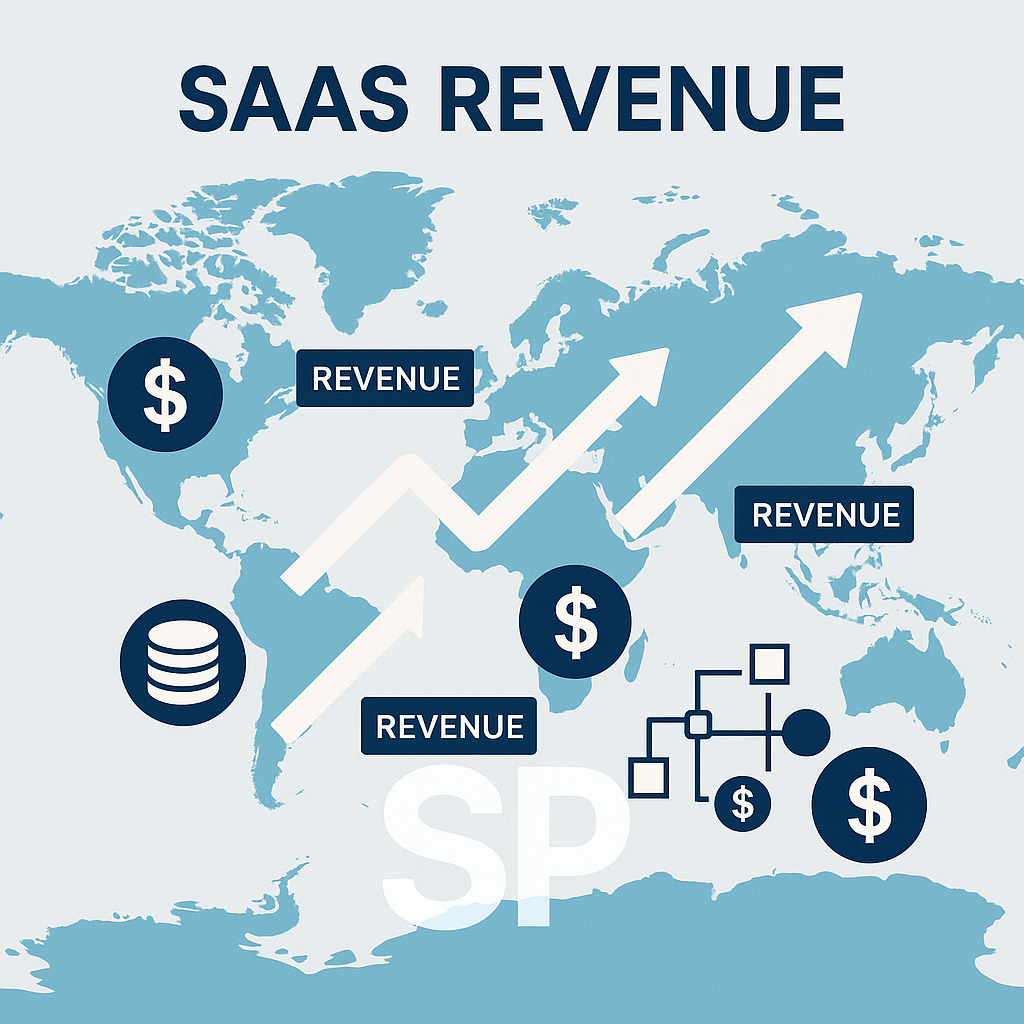
When I first launched a SaaS product aimed at international users, I assumed a single pricing plan would work everywhere. I quickly learned that regional differences in purchasing power, payment preferences, and cultural expectations could make or break adoption rates. Adjusting my monetization model accordingly was the turning point.
First, localize your pricing. Consider using purchasing power parity (PPP) adjustments to set fair yet competitive prices for different regions.
Second, offer multiple subscription tiers. This allows entry-level users to get started while providing advanced features for power users willing to pay more.
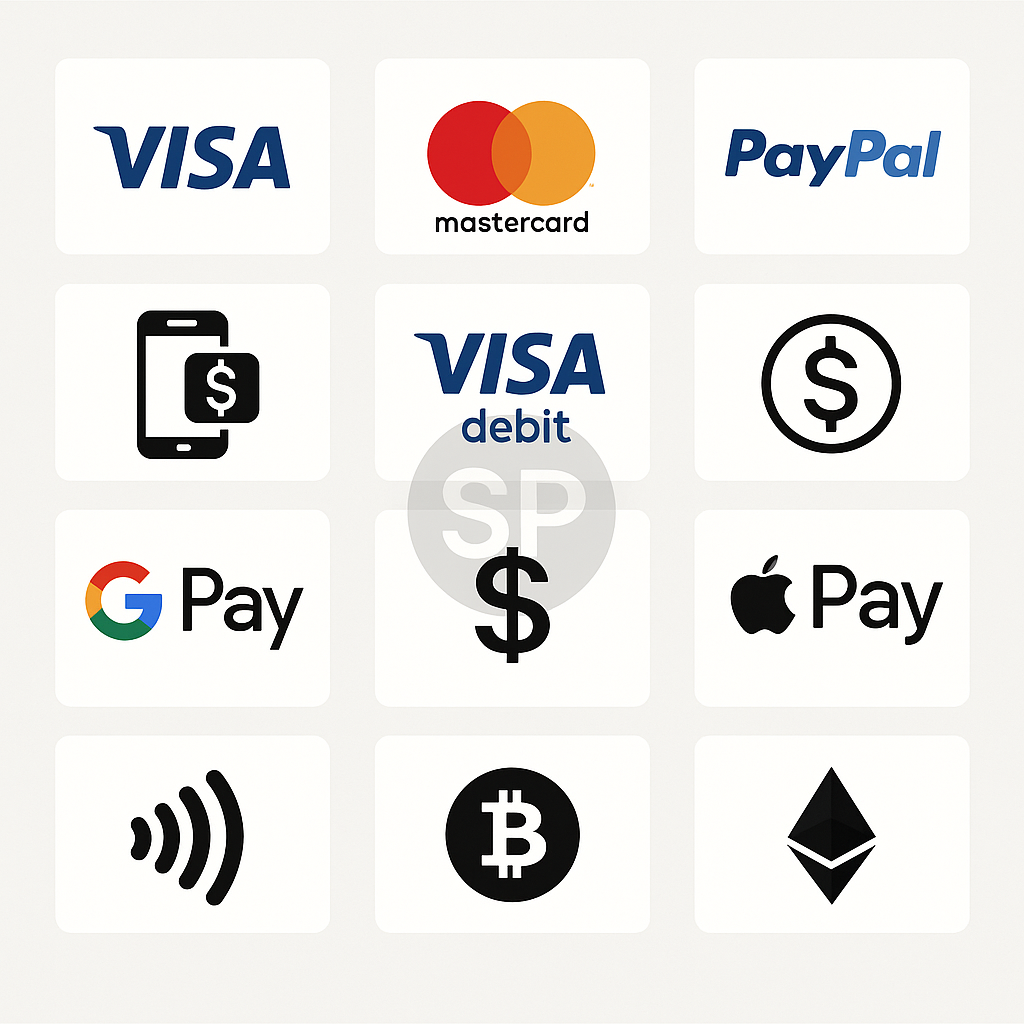
Third, diversify payment options. Support regional payment methods like Alipay, Paytm, or Boleto to reduce friction at checkout.
Fourth, experiment with freemium and trial models. Letting users try before they buy can significantly improve conversion rates, especially in new markets.
Lastly, track and iterate. Use analytics to monitor churn rates, feature usage, and customer lifetime value (CLV) to refine your strategy.
A strong global SaaS monetization strategy is like a well-tuned engine — it keeps your business running smoothly while adapting to the terrain of each market you enter.

After setting the foundation with a solid global SaaS monetization strategy, the next step is to refine your SaaS revenue model so it aligns with both your product vision and your target customers’ needs. While monetization strategy focuses on how you reach and convert customers, the revenue model determines how you generate income over the long term.
When I revised my own SaaS revenue model, I found that even small adjustments in pricing structure and billing frequency significantly impacted retention rates. For example, switching from annual-only plans to offering a monthly subscription brought in a wave of hesitant users who later upgraded to longer-term commitments.
First, choose the right pricing structure. Popular options include subscription-based, usage-based, or hybrid models. Each has pros and cons depending on your audience and product type.
Second, align pricing with value delivery. If your software delivers ongoing value, a recurring subscription makes sense. For one-off or project-based tools, a fixed price or usage-based model might be better.
Third, consider upselling and cross-selling opportunities. Offer premium features, add-ons, or complementary products that enhance the user experience and increase average revenue per user (ARPU).
Fourth, test and adapt. Use A/B testing to experiment with different price points, plan names, or feature bundles, then measure impact on conversion and retention.
An effective SaaS revenue model is like a well-designed blueprint — it guides the growth of your business and ensures your monetization efforts are sustainable in any market environment.