Unlocking Hidden Revenue: SaaS Monetization Strategy with APIs and Microservices
When people think of software businesses, they often picture flashy apps or subscription dashboards. But in reality, the most powerful money-makers in the SaaS world are often hidden behind the scenes: SaaS monetization strategy with APIs. It’s not as glamorous as viral marketing, but it’s one of the most sustainable ways to build recurring revenue.
| APIs as Revenue Engines | Charge for API usage (calls, tiers, seats) | Scales with customer growth, not just subscriptions |
| Microservices Approach | Break features into modular services | Customers pay only for what they need → multiple revenue streams |
| Developer Experience | Clear docs, onboarding, examples | Easy integration = faster adoption and revenue |
| Free Tier First | Offer limited usage for free | Hooks users early, monetizes naturally as they scale |
| Retention via Stickiness | Once integrated, APIs are hard to replace | Reliable service = long-term recurring revenue |
| Community Power | Developers spread the word in forums and GitHub | Organic growth without heavy marketing |
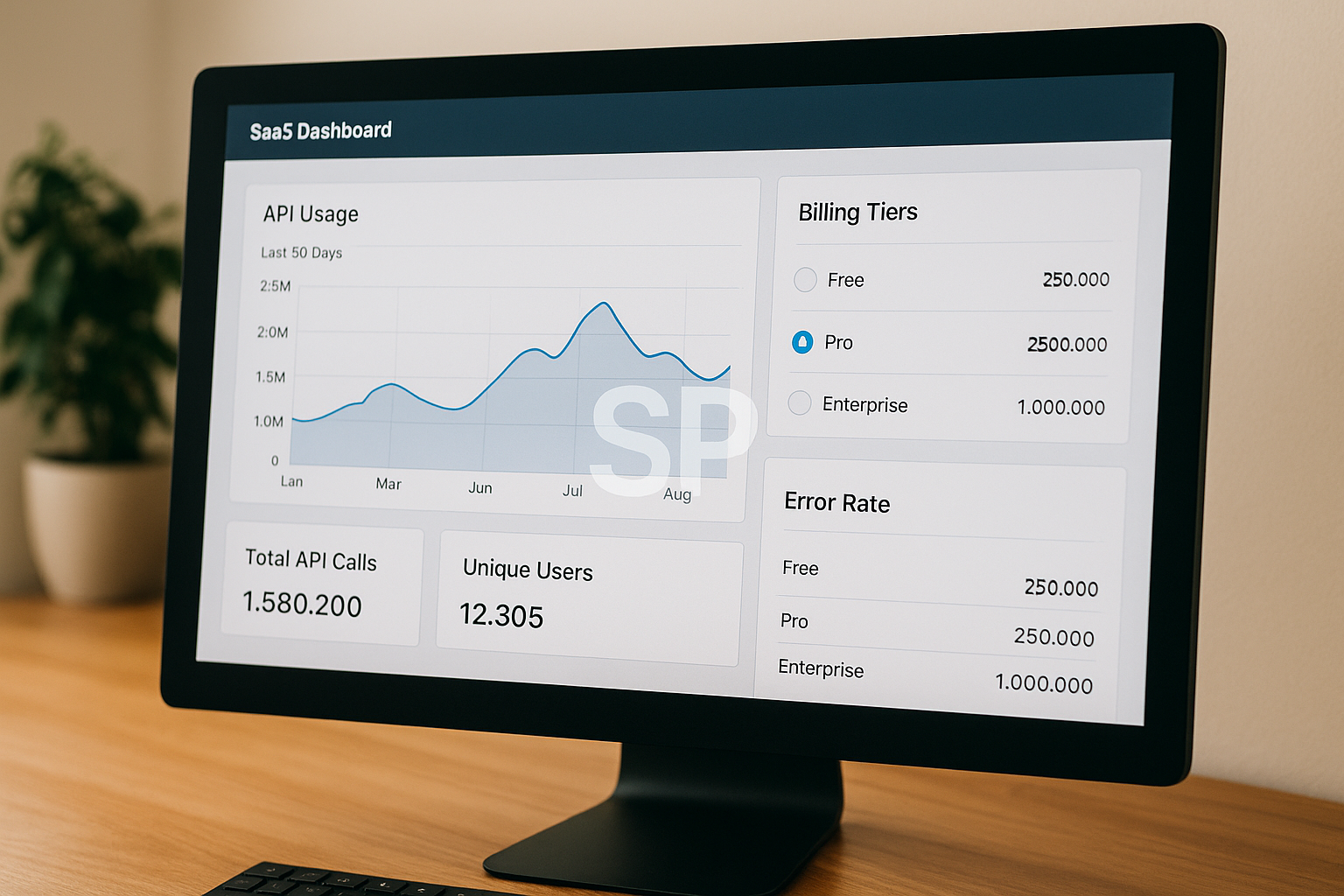
APIs (Application Programming Interfaces) let other developers or businesses plug into your system. Imagine building a weather app, then charging other apps a small fee every time they request your data. That’s passive income at scale. Companies like Twilio or Stripe didn’t become giants by offering pretty dashboards—they built rock-solid APIs and monetized usage.
The beauty of this approach is flexibility. A good SaaS monetization strategy with APIs means you can charge per call, per seat, or even offer tiered plans depending on volume. Think of it like utilities: light users pay a small bill, heavy users fund most of your revenue. This way, your income scales with customer growth.
But monetization isn’t just about pricing—it’s about ecosystem value. If your API solves a real pain point, developers will build their own products on top of it, creating indirect marketing for you. One startup I followed released a document parsing API. They expected maybe a few dozen clients. Within a year, developers had integrated it into hundreds of workflows, and usage skyrocketed without a single paid ad.
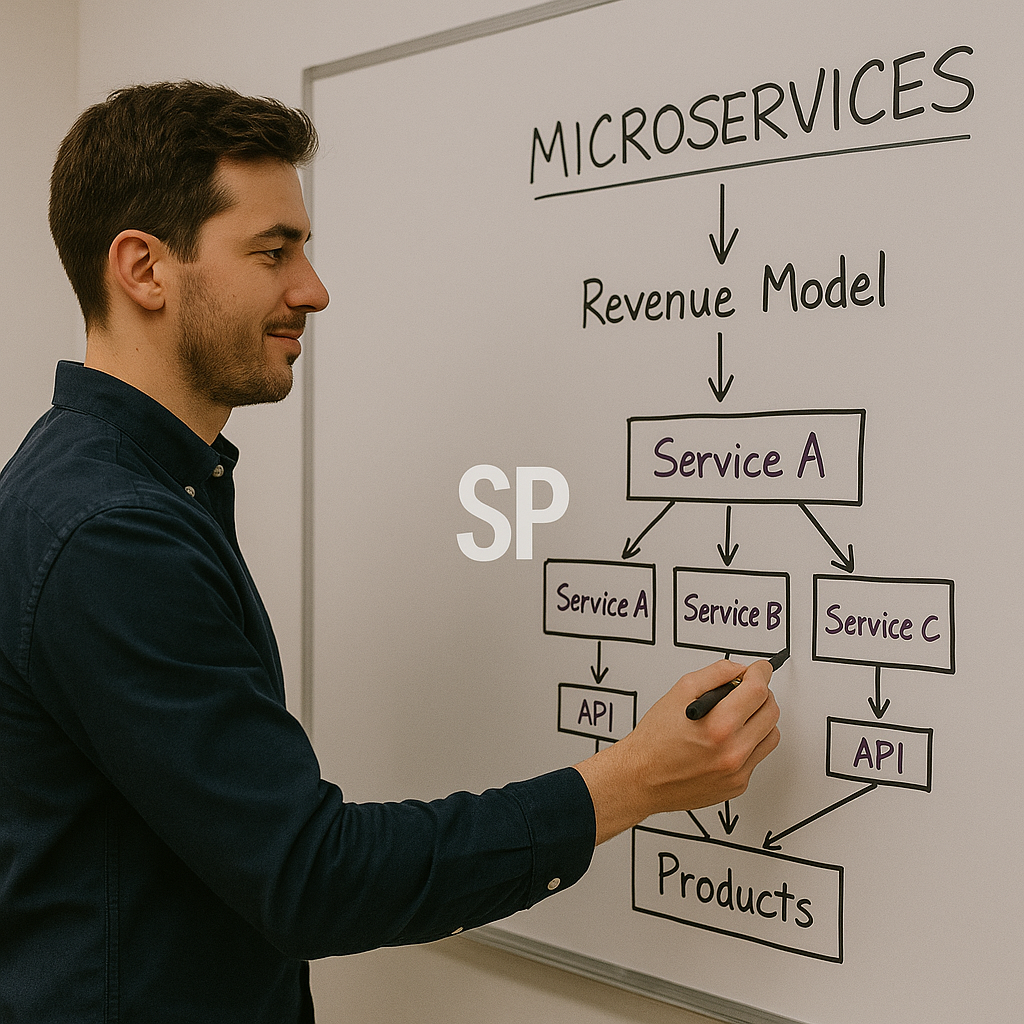
Microservices add another layer. Instead of building one massive platform, you can break features into small, independent services. This allows you to monetize each piece separately. For example, a SaaS could charge for file storage, analytics, and email delivery all as modular services. Customers love the ability to pay only for what they need, while you maximize revenue streams.
Of course, there are pitfalls. A common mistake is overcomplicating pricing. If customers need a calculator just to figure out their monthly bill, you’ve lost them. Simplicity sells. Another mistake is ignoring developer experience. If your API documentation is messy, no one will bother integrating, no matter how good your service is. Clear docs, easy onboarding, and transparent pricing are the holy trinity of API monetization.
A smart move in any SaaS monetization strategy with APIs is offering a generous free tier. This lowers the barrier to entry, lets people experiment, and hooks them before they scale. Once their usage grows, paying becomes a natural step rather than a tough sell. Many of today’s SaaS unicorns started by giving away functionality at low volumes, then monetizing when customers depended on them.

At the end of the day, the key to SaaS revenue isn’t shouting the loudest—it’s embedding yourself quietly into other people’s workflows. APIs and microservices let you do just that. If you focus on solving real problems, pricing fairly, and supporting developers, the revenue will follow. Building an SaaS monetization strategy with APIs is less about chasing hype and more about creating invisible infrastructure that others rely on daily. That’s how you unlock hidden revenue streams that keep compounding long after the launch buzz fades.
When you dive deeper into building an SaaS monetization strategy with APIs, you realize it’s not only about charging for access. It’s about designing a business model that aligns your product with customer growth. If your clients succeed, you succeed—that’s the magic of usage-based revenue.
Take an example from a small startup I met in Berlin. They created a simple text-to-speech API. At first, they gave it away for free with limited usage. Developers began integrating it into educational tools and accessibility apps. Within a year, the startup had thousands of daily calls to their API. Monetization was as simple as flipping a switch on their pricing tiers: free for the first 500 calls, then scaled fees beyond that. Suddenly, what started as an experiment became a dependable income stream. This is how small ideas grow when the model is right.
Documentation often makes or breaks API businesses. Imagine trying to connect to an API and getting stuck on unclear instructions. Frustration leads to churn before you even get started. Smart SaaS founders know this, and they treat documentation as part of the product itself. Clear code snippets, quickstart guides, and working examples are not just “nice-to-haves”—they are the core of your SaaS monetization strategy with APIs. The easier you make it for people to integrate, the faster revenue flows in.
Another powerful approach is bundling microservices. Instead of offering one large SaaS tool, you provide several small building blocks. For example, one service could handle authentication, another analytics, and another notifications. Each has its own pricing, and customers can pick and choose what they need. This modularity feels more approachable, and ironically, it often leads to higher total spending because clients stitch together multiple services to fit their workflow.
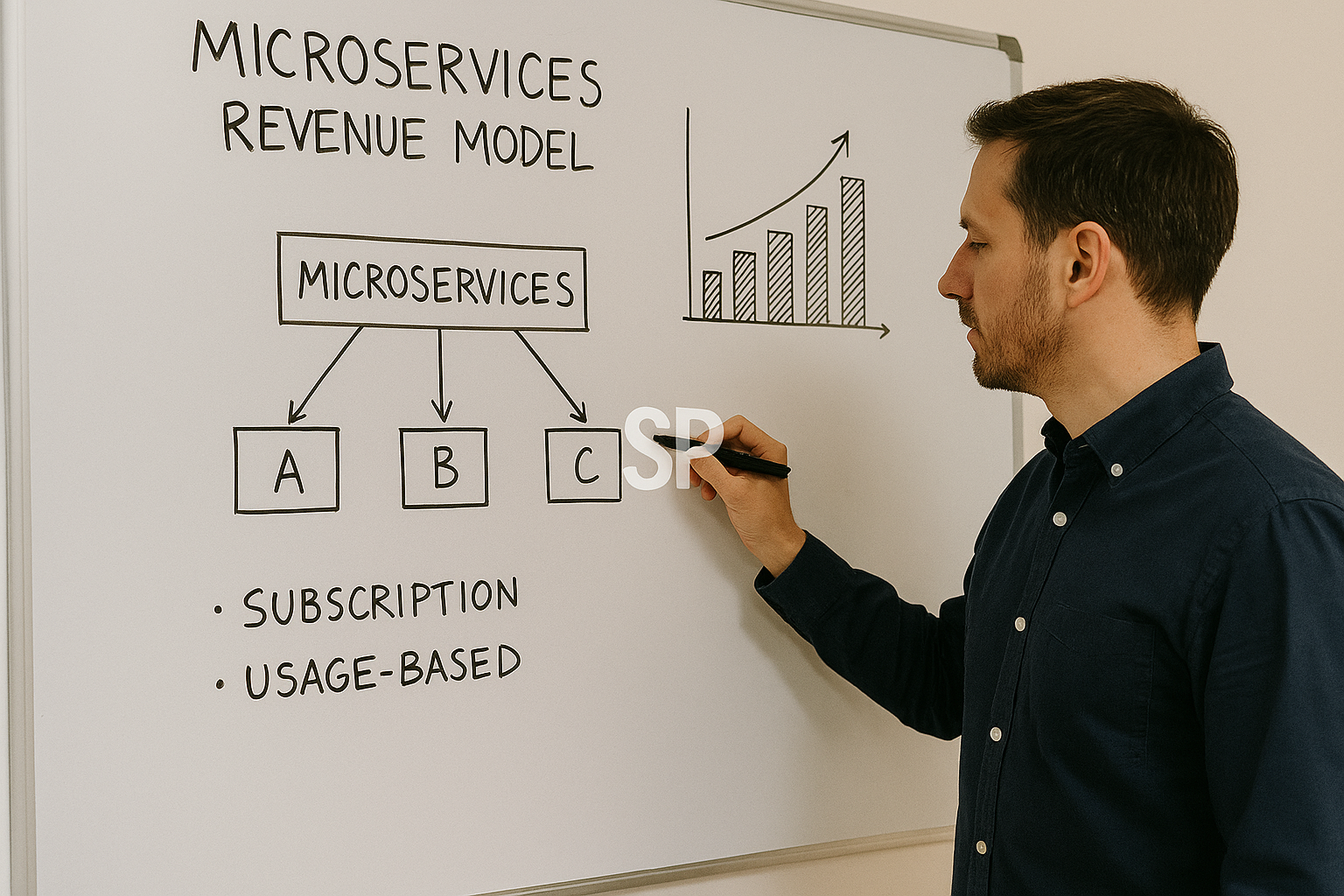
But let’s also talk about retention. Many SaaS businesses focus heavily on acquiring new users but neglect existing ones. With APIs, usage is sticky. Once a developer integrates your service into their product, removing it later is costly and time-consuming. This creates a natural lock-in, but it only works if the service is reliable. Downtime or inconsistent performance can ruin trust instantly. In other words, stability is revenue. Prioritizing uptime and support is a monetization strategy in itself.
Pricing experiments are another underrated tool. Some companies succeed with simple pay-as-you-go models, while others thrive by offering tiered plans with perks. The key is testing. One founder shared how their revenue doubled after switching from flat fees to usage tiers. They realized light users stayed on the free tier, while heavy users scaled up naturally. Without changing the product, they changed the business just by aligning pricing with customer behavior.
Lastly, don’t underestimate community. Nomad forums, developer Slack groups, and GitHub projects often spread awareness faster than paid ads. When people share positive experiences with your API, adoption snowballs. Some of the most successful API-based businesses built their reputations entirely through developer word-of-mouth. In a way, your community becomes the marketing engine that fuels your SaaS monetization strategy with APIs.
At its core, monetizing through APIs and microservices is about being invisible yet indispensable. Customers might never see your brand directly, but if your service powers their products, you’re embedded in their success. And that kind of partnership creates long-term, recurring revenue that doesn’t rely on hype—it relies on trust. Build that trust with clear value, transparent pricing, and reliable performance, and your SaaS will grow steadily, one API call at a time.