SaaS Business Playbook: Turning Software into a Scalable Income Stream
The SaaS business model has quickly become one of the most attractive ways to build recurring revenue online. Instead of one-time product sales, SaaS (Software as a Service) relies on subscriptions that generate steady cash flow. From productivity tools to finance apps, SaaS is reshaping industries and creating opportunities for entrepreneurs worldwide. But while the idea of launching a SaaS product sounds exciting, making it sustainable requires strategy, structure, and a deep understanding of customer needs.

The biggest advantage of SaaS is scalability. Once the software is built, it can serve thousands—or even millions—of users without significant additional cost. This creates a margin structure that is far more efficient than traditional business models. However, this scalability only works if the product solves a real problem. Many SaaS startups fail not because of bad technology, but because they didn’t address a clear pain point.
Another essential aspect is user onboarding. The first impression matters more than most founders realize. If customers struggle to understand how the software works, they are likely to abandon it quickly. A clear onboarding flow, tutorials, and customer support channels are crucial in reducing churn and building long-term relationships.
Marketing also plays a massive role in the growth of SaaS businesses. Unlike physical products, SaaS relies heavily on digital channels such as content marketing, SEO, and referral programs. The ability to demonstrate value quickly through free trials or freemium models helps build trust with users and increases the chance of conversion.
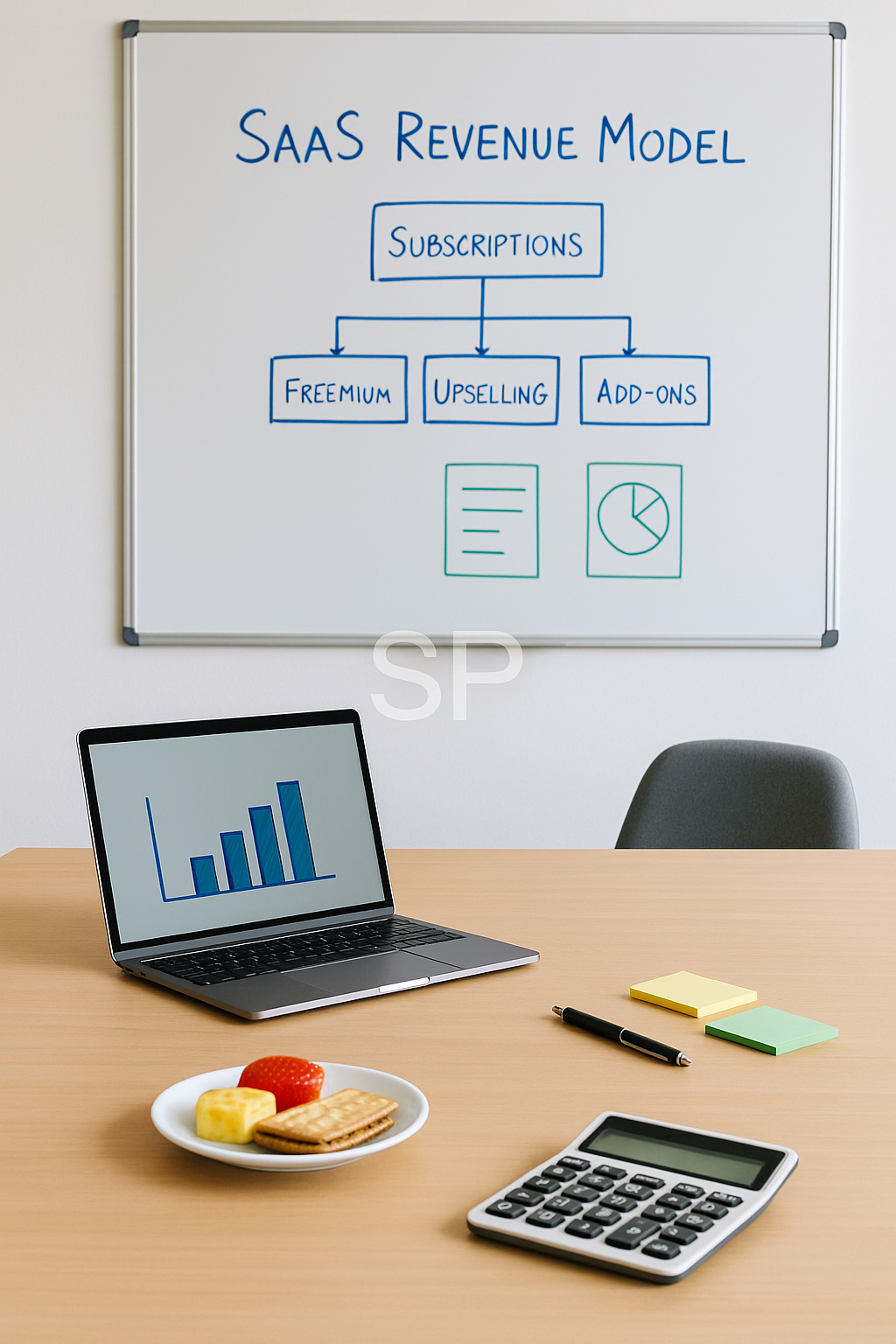
data should guide every decision. SaaS tools provide massive amounts of analytics on user behavior, and founders who know how to interpret this data can optimize their product continuously. From feature adoption to churn analysis, these insights can be the difference between a struggling product and a thriving business.
Start small. Even a simple SaaS product that solves a niche problem can scale into a profitable business if it’s designed with users in mind. Focus on clarity, consistency, and solving one problem better than anyone else.
Building a successful SaaS business often looks simple from the outside: create software, launch it online, and watch subscriptions grow. In reality, the path is more complex. SaaS is attractive because of its recurring revenue model and scalability, but sustaining growth requires continuous adaptation. The market is full of both inspiring success stories and cautionary tales, and studying both sides offers valuable lessons for anyone aiming to build their own SaaS product.
One key truth about SaaS is that customers rarely stay just because they signed up once. Retention is everything. A user who pays for one month and leaves does not build a sustainable business. To reduce churn, SaaS founders must think beyond features and pricing. It’s about building trust, offering value consistently, and ensuring that the product integrates naturally into the user’s workflow. Products that feel like essential tools rather than optional add-ons stand the best chance of longevity.

Pricing models also play a central role. Many SaaS businesses start with freemium or free trial options, giving users a taste of the value before asking for payment. But striking the right balance between free and paid features is critical. Too much given away for free, and monetization suffers. Too little, and users won’t feel motivated to upgrade. Iterating pricing models based on feedback and data is often what separates fast-growing SaaS companies from stagnant ones.
Customer support is another underestimated pillar of SaaS success. Because SaaS products are intangible and ever-evolving, users need reliable assistance. An unresponsive support channel can turn a curious free user into a frustrated critic. On the other hand, proactive and empathetic support creates advocates who not only stay but also spread the word. In the SaaS world, word-of-mouth referrals often carry more weight than traditional advertising.
From an operational standpoint, automation can’t be ignored. Successful SaaS companies rely heavily on automated billing, customer onboarding, and communication systems. Automating repetitive processes allows teams to focus on product development and customer experience instead of being bogged down in manual tasks. The irony of a SaaS business is that while it sells automation and efficiency to customers, it must also practice the same principles internally.
The global reach of SaaS is both a strength and a challenge. Serving customers across borders means adapting to different languages, compliance requirements, and payment systems. Many founders overlook localization, but tailoring software to fit cultural and regulatory contexts often makes the difference between success in one market and expansion into many. With cloud-based distribution, the opportunity is worldwide—but only if the product feels relevant everywhere it’s offered.
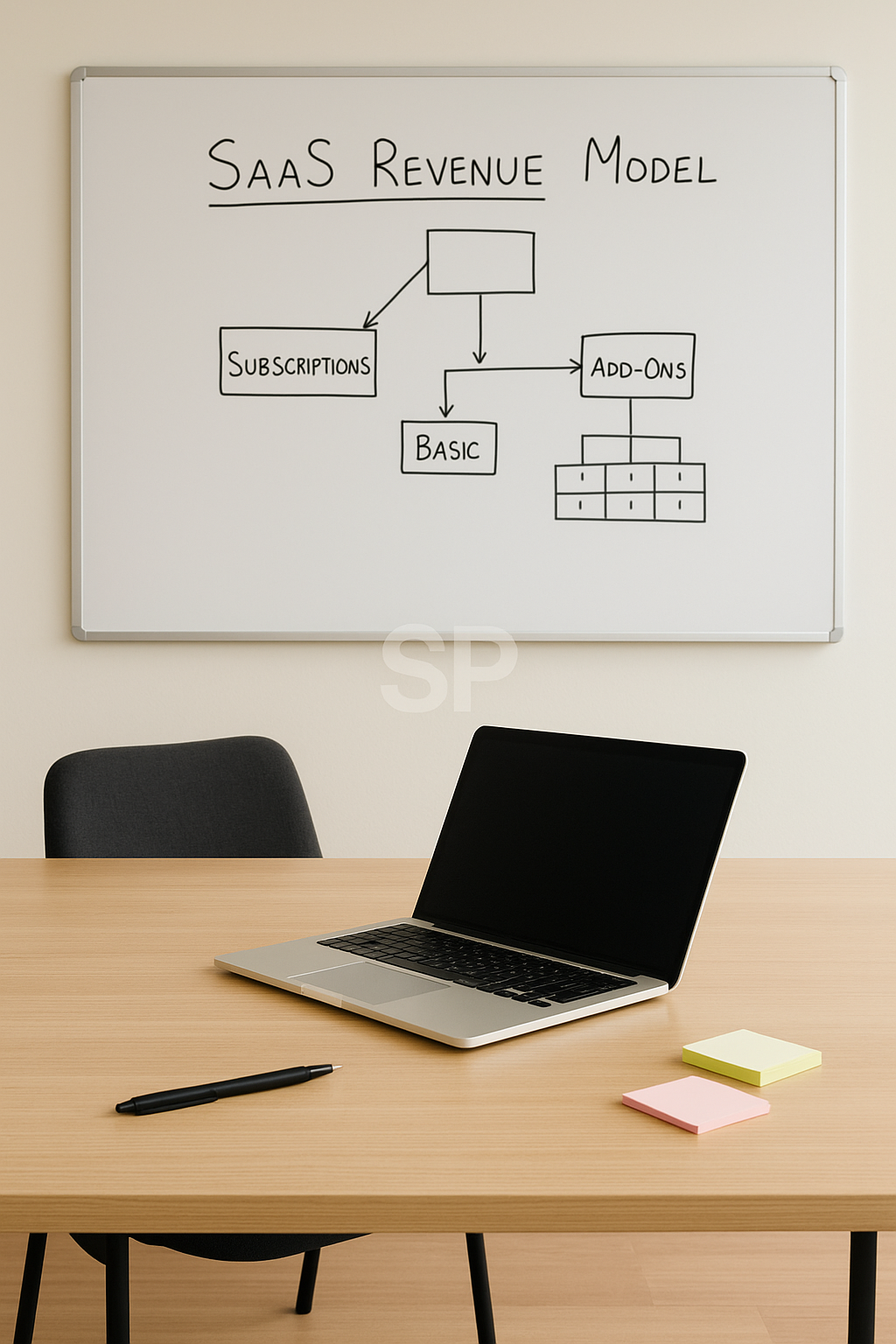
Ultimately, the strength of a SaaS business lies not just in the software but in the ecosystem built around it. Community forums, integration with other tools, and partnerships with established platforms all contribute to long-term growth. The most successful SaaS products rarely exist in isolation—they become part of a larger network that users rely on daily.
From my perspective, the most important lesson is patience. SaaS is not a get-rich-quick scheme. Building trust, refining features, improving onboarding, and iterating based on user feedback takes time. But for those who commit to the process, SaaS offers one of the most sustainable and rewarding paths to financial independence in the digital era.