Monetizing SaaS Side Projects: From Idea to Recurring Revenue
Hello everyone 👋 Over the past few years, I’ve noticed a big shift in how developers and entrepreneurs build income streams. Instead of creating huge platforms that require massive teams, many are turning to SaaS side projects—small, focused tools that solve specific problems and generate recurring revenue. I still remember my first attempt: a simple API service that automated report formatting. It wasn’t glamorous, but it landed me my first paying users within weeks. That experience convinced me that monetizing SaaS projects is not just for large startups—it’s accessible to individuals and small teams, too.
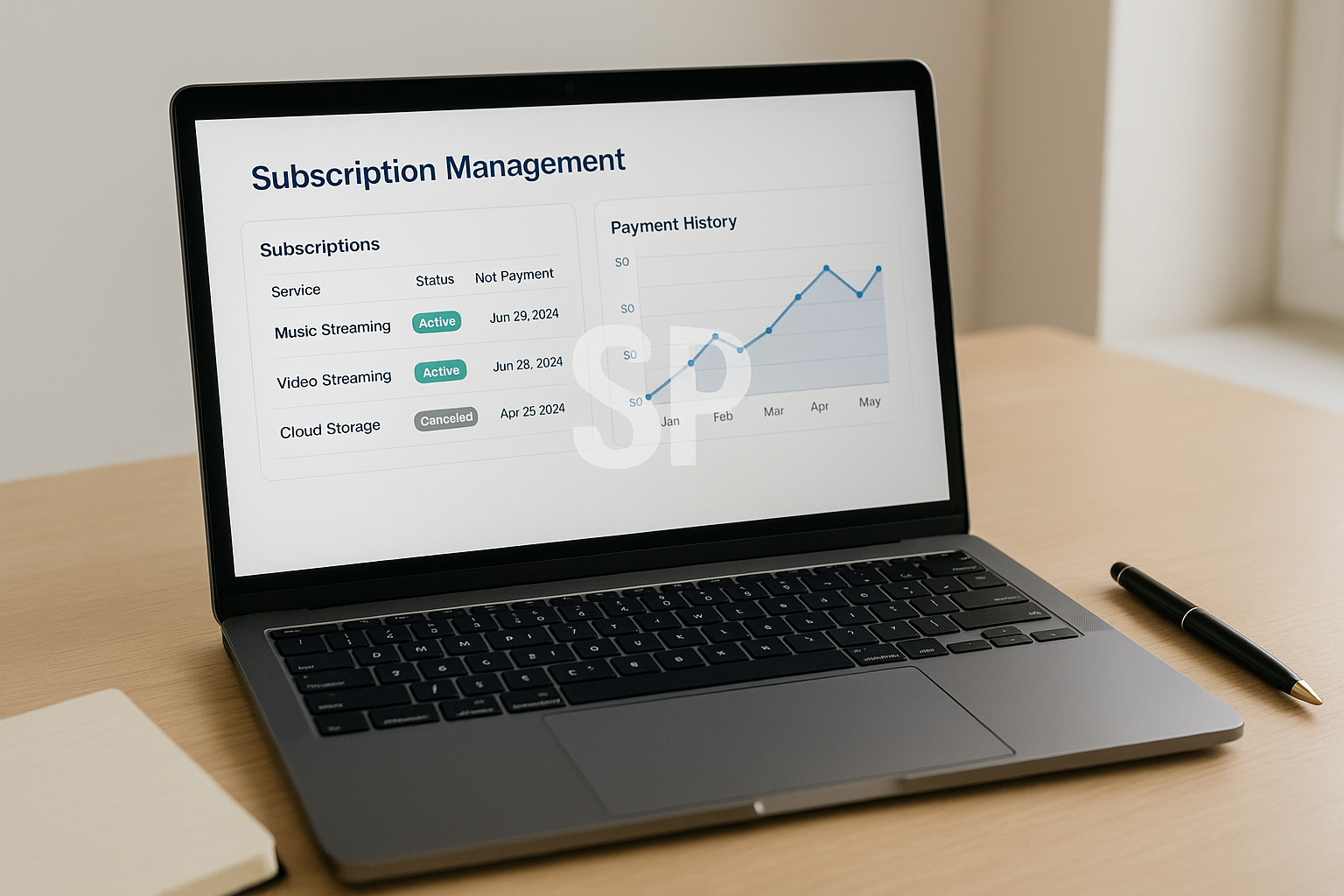
The key isn’t building something flashy; it’s creating something useful, managing it well, and building a routine that keeps revenue flowing. Today, I’ll share a practical guide to taking a SaaS side project from an idea to recurring revenue, including lessons learned from my own missteps.
Finding the Right Problem to Solve
Every successful SaaS project starts with a clear problem. The mistake I made early on was trying to build “everything at once.” Users don’t care about dozens of features—they care about one solution that works reliably.
👉 Tip: Look for repetitive tasks in your own workflow. If you find yourself automating something for personal use, chances are others will pay for it too.
Building Lean and Iterating Quickly
Perfection is the enemy of launch. My first SaaS tool was messy, but it solved a pain point. Early users gave feedback that guided improvements. Releasing fast and iterating is far better than delaying launch for months.
👉 Example: Instead of building a full dashboard, I started with a simple email-based output. Users didn’t mind, and it validated the idea.
Setting Up Monetization Early
It’s tempting to offer everything for free until you “feel ready,” but that often backfires. I learned to introduce pricing from the start—even if it’s just a minimal subscription. This sets expectations and attracts serious users.
👉 Tip: Keep pricing simple. A flat monthly fee works better for side projects than complicated tier systems.
Automating the Business Side
Running a SaaS tool is not just about coding. Customer support, billing, and onboarding take time. By using automation—payment processors, ticketing systems, and onboarding emails—I reduced overhead and made the project sustainable as a solo developer.
Lessons from Mistakes
I once scaled server capacity too early and wasted money. Lesson: grow infrastructure with demand, not before.
Ignoring churn rates was a big mistake. High sign-ups mean little if retention is poor.
Marketing late in the process slowed growth. Start sharing early, even before launch.
The Emotional Reward
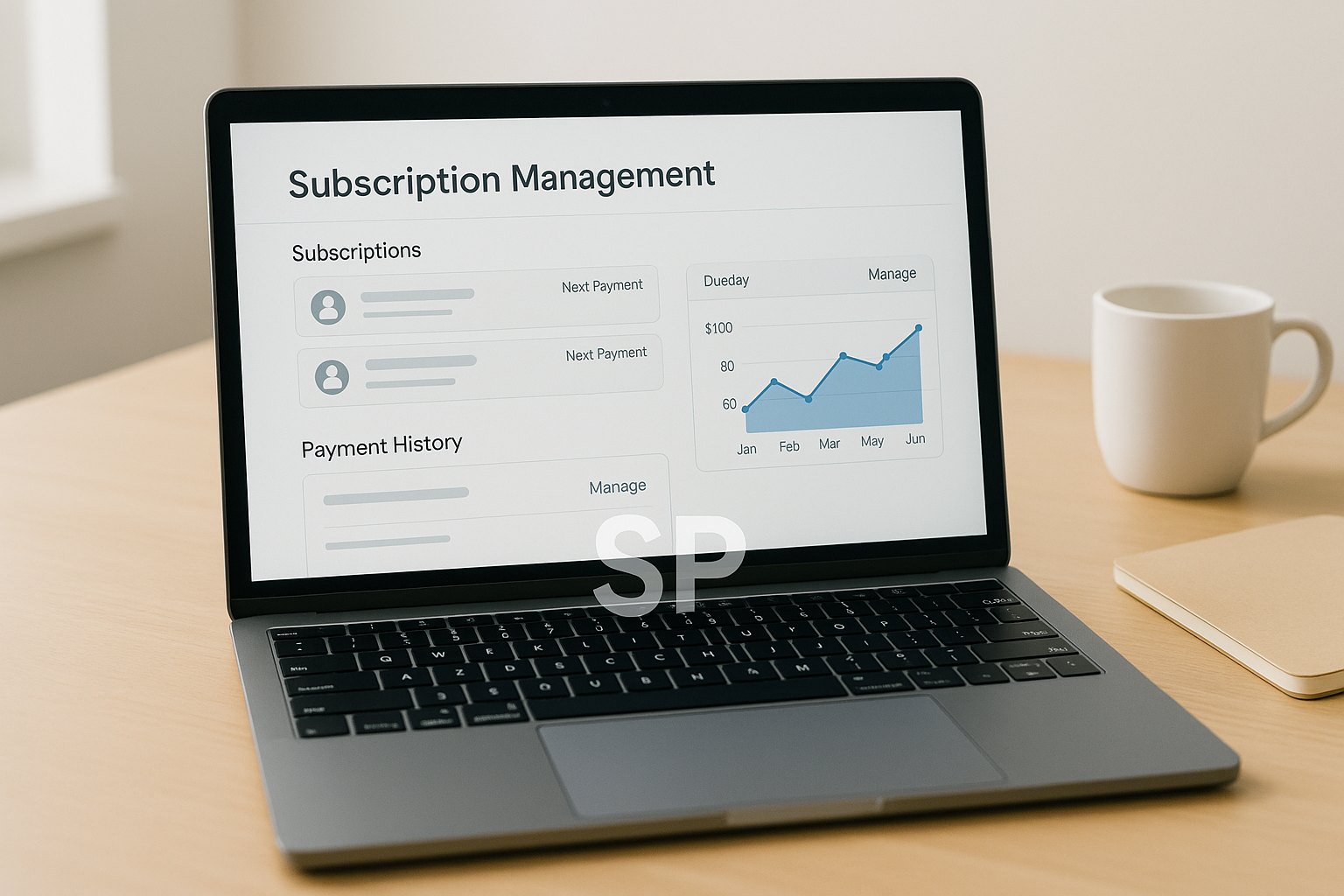
There’s something special about waking up to see recurring revenue notifications in your inbox. 🌱 It’s not just money—it’s proof that a system you built continues to deliver value even while you sleep.
Monetizing SaaS side projects isn’t about creating the next billion-dollar unicorn. It’s about building small, reliable tools, managing them efficiently, and establishing habits that turn them into sustainable income streams.
One of the most surprising lessons I learned while monetizing SaaS side projects is that consistency matters more than complexity. Early on, I tried to add fancy features, thinking they would attract more users. In reality, what kept people subscribed was reliability—whether the tool worked every single time without failure. That insight shifted my focus from building “more” to building “better.”
Another routine that helped was setting up monthly reviews of key metrics. Every first Monday, I check churn rate, new sign-ups, and revenue growth. At first, I dreaded looking at the numbers, especially when cancellations were high. But over time, tracking metrics regularly turned problems into opportunities. If churn was up, I’d reach out to users for feedback; if sign-ups slowed, I’d adjust marketing efforts. This practice gave me a sense of control instead of panic.
I also discovered the power of community-driven marketing. Unlike big SaaS companies with huge budgets, side projects grow best when shared within communities—forums, Slack groups, or even Twitter threads. For example, when I openly shared my struggles building a subscription system, other developers gave advice, and some even became paying users. Transparency built trust.

Of course, I’ve made mistakes. I once ignored customer support emails for a week while traveling, and that lapse cost me two long-term subscribers. Since then, I’ve automated replies to acknowledge every ticket immediately, even if I can’t solve it right away. That small change reassured users and reduced churn.
What keeps me motivated isn’t just the revenue. It’s the idea that I can build something once and let it continue delivering value to others. 🌱 Even if the income is modest compared to a full-time job, the independence and flexibility it creates are priceless.
For anyone starting out, I’d suggest this: don’t overthink the next big SaaS idea. Start with a small problem, ship a simple tool, and establish habits around reviews, automation, and user feedback. Over time, these routines transform a fragile project into a sustainable income stream.