SaaS monetization strategy, how creators turn tools into revenue
SaaS tools are no longer just software—they’re ecosystems.
Creators and small business owners are turning these platforms into reliable income streams, either by building around them or monetizing how they use them.
If you're using tools like Notion, Airtable, Figma, or Zapier, and you're wondering how people are actually making money through them, this guide will break it down for you.

The rise of tool-based micro-entrepreneurs
We’re seeing a new wave of creators who don’t code but still build scalable products.
Here’s how they do it:
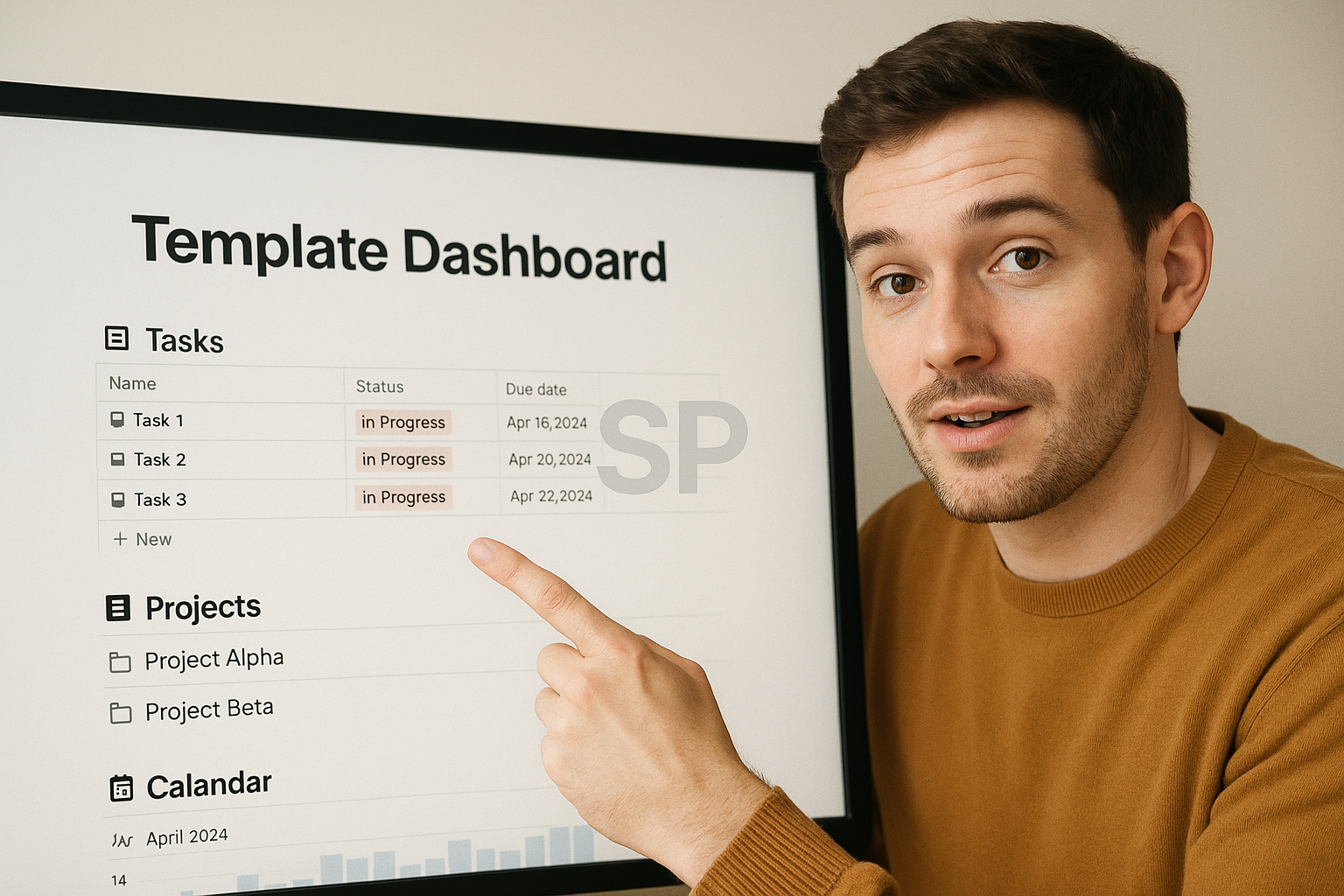
Templates: Ready-to-use setups on Notion, Canva, ClickUp, etc.
Automations: Pre-built workflows using Zapier, Make, or Pabbly
Educational products: How-to guides, mini-courses, or workshops centered around specific tools
Paid access to custom dashboards or workspaces
Most of this doesn't require starting from scratch. People remix what's already out there, then sell it with their own twist.
Top SaaS tools that support creator monetization
Some platforms have leaned into monetization more than others. Here are a few where creators are thriving:
Notion: Paid templates, team workspaces, Notion Certified Consultant services
Airtable: Custom bases and backend logic for creators or freelancers
Figma: UI kits, design systems, and white-labelable component libraries
Loom: Pre-recorded tutorials and internal team onboarding packages
Zapier / Make: Subscription-based automation services or digital consulting offers
The barrier to entry is low, but the key is positioning. People don't pay for templates—they pay for clarity, time-saving, and use-case validation.

Distribution is more important than the product
One of the biggest mistakes creators make: spending 90% of their time building and 10% promoting.
But the actual value lies in distribution.
Gumroad / Lemon Squeezy: Easy product pages + instant payouts
Product Hunt / Reddit: Tool discovery from high-intent users
Twitter & LinkedIn: Thought leadership, behind-the-scenes, and niche content
SaaS-specific marketplaces: Notion Market, Templately, Figma Community
Getting seen by the right audience early is more impactful than trying to “perfect” a product no one knows about.
Recurring revenue is the game-changer
While one-time sales from templates are great, recurring models scale better.
Consider these formats:
Memberships: Give ongoing access to tools, updates, and support
Private communities: Tool-focused Slack or Discord groups
Live sessions / office hours: As part of a monthly package
SaaS-as-a-service: Pre-set automations managed for small teams
This turns a creator from “someone who sells things” into a long-term partner or solution provider.
Realistic path for beginners
You don’t need thousands of followers to make this work.
Instead:
Pick a tool you know inside-out
Identify 1–2 pain points people actually have
Build a solution that saves time, simplifies workflows, or creates clarity
Create a simple landing page + 1-minute walkthrough video
Promote where the users hang out (X, Reddit, Indie Hackers)
This lean approach is how many successful creators started—with $0 in ads, just real solutions.
You might be wondering, “Is this only for tech-savvy people or influencers with thousands of followers?”
The answer is no.
Some of the most successful creators in this field are micro-entrepreneurs who simply understand one tool really well and solve a problem better than anyone else.
Let’s explore a few real-world examples of simple SaaS-based monetization models that worked—even without an audience.
Case study 1: Selling Airtable CRM templates to freelancers
One solo creator built a customizable CRM template on Airtable designed specifically for freelance writers.
It included:
Pre-built views for client pipelines
Auto-calculated invoice tracking
Monthly revenue summaries
He promoted it in 3 small freelancer Facebook groups and made $2,400 in the first month.
No ads. No audience. Just tool mastery + niche targeting.
Case study 2: Automating onboarding with Loom + Notion
A remote agency team member was tired of repeating onboarding steps for new hires.
So she recorded 10 Loom videos, linked them inside a Notion workspace, and turned it into a "plug-and-play onboarding system."
Within 2 weeks, other startups began requesting access.
She priced it at $79 and packaged it through Gumroad.
Now it's a passive product generating ~$500/month consistently.
How to design a high-converting tool-based offer
A great product isn't just useful—it’s positioned properly.
Here's a framework that many successful creators use:
Problem-first messaging
Don’t sell the tool. Sell the outcome.
→ Instead of: “This is a Notion template for freelancers”
→ Try: “Never forget a client follow-up again—automate it in 2 minutes”
Demo-first content
Show, don’t tell. 1-minute videos > long blogs
Use Loom, CleanShot, or iPhone screen recording
CTA simplicity
“Pay once, use forever” or “No learning curve required” works better than technical feature lists
Feedback loop
Launch fast, update based on real users. Iteration is more important than perfection.
SaaS + affiliate = hybrid monetization
Some creators don’t sell their own product—they review, guide, and promote tools they love.
Affiliate marketing layered onto SaaS content is one of the most beginner-friendly models.

Example structure:
Blog or YouTube review of a specific tool (e.g., "How I automated my email sorting with Make")
Include setup guides, free templates, and bonus use cases
Add affiliate links with bonuses or consulting upsell
Build a newsletter to grow recurring traffic
This hybrid approach builds both passive and leveraged income—perfect for creators who want to mix education + earning.
Common mistakes to avoid
Even with great tools, some creators fall into traps. Watch out for these:
Spending weeks building without validating the need
Relying only on social media virality
Ignoring onboarding (users get confused and refund)
Making the product too general (niche wins)
Forgetting to collect emails (no follow-up = no re-launch)
The most consistent earners don’t build more—they build smaller, faster, and closer to a specific need.
Where to go from here
If you’ve used a SaaS tool enough to feel confident with it, you already have something valuable.
Here’s your action plan:
Pick a use case you’ve solved with a tool
Package it: template, workflow, video tutorial
Set up a simple landing page (Gumroad, Carrd, or Typedream)
Share it where people are looking for solutions, not entertainment
Collect feedback. Improve. Then launch again
This isn't a one-hit game—it’s a repeatable system.
The best part? You get better with each iteration.
And eventually, you become the go-to expert in your tool of choice.