Top SaaS Business Ideas in 2025: Creative Paths to Build Recurring Revenue
The software world is shifting fast, and if you’ve ever thought about starting your own SaaS (Software as a Service) business, now is one of the best times. 🚀 With cloud tools, AI, and low-code platforms lowering the barrier to entry, individuals and small teams can launch services that once required huge budgets. But the hardest part is still the beginning: finding the right SaaS business idea. A clever concept that solves real problems can create recurring revenue for years, while a weak idea will fade quickly. In this article, we’ll explore the most promising SaaS business ideas for 2025 and how you can turn them into reality.
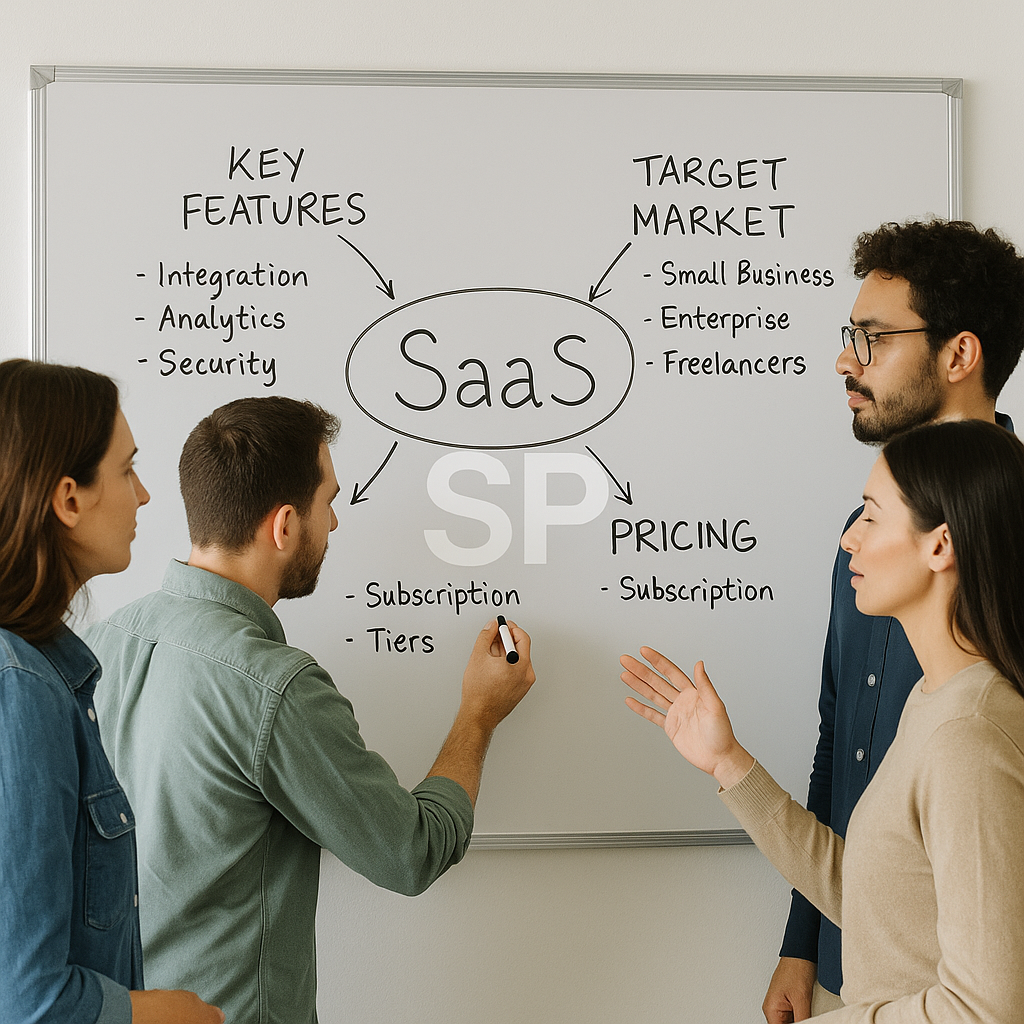
1. Niche project management tools
General project management tools are everywhere, but niche markets are underserved. 📊 Think about tools built specifically for architects, YouTubers, or freelancers. By targeting a smaller audience with unique workflows, you can create loyal customers who are willing to pay monthly fees for something tailored to their exact needs.
2. AI-powered writing assistants
AI tools are booming, but many are still generic. ✍️ A SaaS platform that focuses on specific industries—like legal drafting, medical documentation, or academic research—can differentiate itself. Users are looking for accuracy and compliance, not just speed, which opens opportunities for specialized AI writing SaaS products.
3. Subscription analytics platforms
As subscription businesses grow, so does the need for analytics that help founders understand churn, lifetime value, and cohort analysis. 📈 A SaaS product that makes these insights simple and visual can attract startups and solo founders who don’t have time to build dashboards themselves.
4. API-based microservices
Many developers are monetizing simple APIs as stand-alone products. 🌐 For example, image background removal, sentiment analysis, or currency conversion APIs. Even small utilities can generate recurring income if priced correctly and marketed to the right audience. This “micro SaaS” approach is low-cost and scalable.
5. Compliance and security tools
With regulations like GDPR and stricter data privacy laws, small businesses need affordable tools to stay compliant. 🔒 Building SaaS that automates cookie consent, data deletion requests, or compliance checklists can serve a huge global demand.

💡 The best SaaS business ideas are often not about inventing something entirely new but about improving existing workflows in niche spaces. If you can combine domain expertise with a clear pain point, even a small team can build sustainable recurring revenue in 2025. 🌟
When exploring SaaS business ideas, one of the most important lessons is that success rarely comes from building a massive platform right from the start. Instead, many of the most profitable SaaS companies began as small, highly focused tools that solved one painful problem exceptionally well. For instance, a micro SaaS that simply tracks customer subscription renewals might not sound groundbreaking, but for freelancers and small startups, it can be invaluable. Over time, such tools can grow into larger platforms—or remain profitable niche services on their own. 🌱
Another reality worth mentioning is customer acquisition. Even the best SaaS idea will fail if people don’t know it exists. In 2025, distribution matters just as much as the product itself. That means building strong channels through communities, newsletters, LinkedIn, or even TikTok. Some founders underestimate how much effort goes into marketing, but those who embed community-building into their product early often see higher retention and word-of-mouth growth.

It’s also crucial to think about pricing models. Many new SaaS entrepreneurs default to monthly subscriptions, but other models—like usage-based pricing, lifetime deals, or tiered enterprise plans—may fit better depending on the idea. For example, an API microservice might work best with pay-per-use billing, while a compliance tool may suit annual contracts that guarantee stability. The way you price your SaaS can directly influence the type of customers you attract and how long they stay. 💰
Additionally, don’t overlook support and trust. SaaS is not just about technology; it’s about relationships. Customers will stay longer with services that provide reliable support, transparent updates, and clear communication. One underrated advantage of being a small SaaS founder is the ability to interact personally with early users, turning them into advocates who help shape and promote the product.
Finally, remember that iteration is the real engine of SaaS growth. The first version of your idea does not need to be perfect. In fact, it shouldn’t be. Launching quickly, gathering feedback, and making improvements is what separates thriving SaaS businesses from those that fizzle out. By adopting a mindset of constant refinement, founders can ensure their SaaS product evolves alongside customer needs and industry trends. 🌍

In the end, SaaS business ideas are only as strong as the execution behind them. A creative idea can spark interest, but discipline, adaptability, and customer empathy are what turn it into a sustainable revenue stream. For anyone considering starting a SaaS in 2025, the opportunity is real—just start small, stay close to your users, and let the journey shape your product into something meaningful.
'Analytics & Optimization' 카테고리의 다른 글
| Proven SaaS Monetization Strategies for Small Teams in 2025 (0) | 2025.09.24 |
|---|