ERP Systems: How to Optimize Business Operations and Drive Profitability
Enterprise Resource Planning (ERP) systems have become the backbone of modern business operations. By integrating core functions like finance, inventory, human resources, sales, and supply chain into a unified platform, ERP software eliminates silos, improves data visibility, and enables smarter decision-making.

For SaaS-based ERP platforms, the benefits go beyond operational efficiency—they can directly contribute to profitability when leveraged strategically. Whether you are a startup looking to scale or an established enterprise aiming to streamline, understanding how to implement and optimize an ERP system is essential.
Why ERP Matters for Businesses Today
The pace of business is faster than ever, and fragmented tools create inefficiencies. ERP centralizes critical data, enabling:
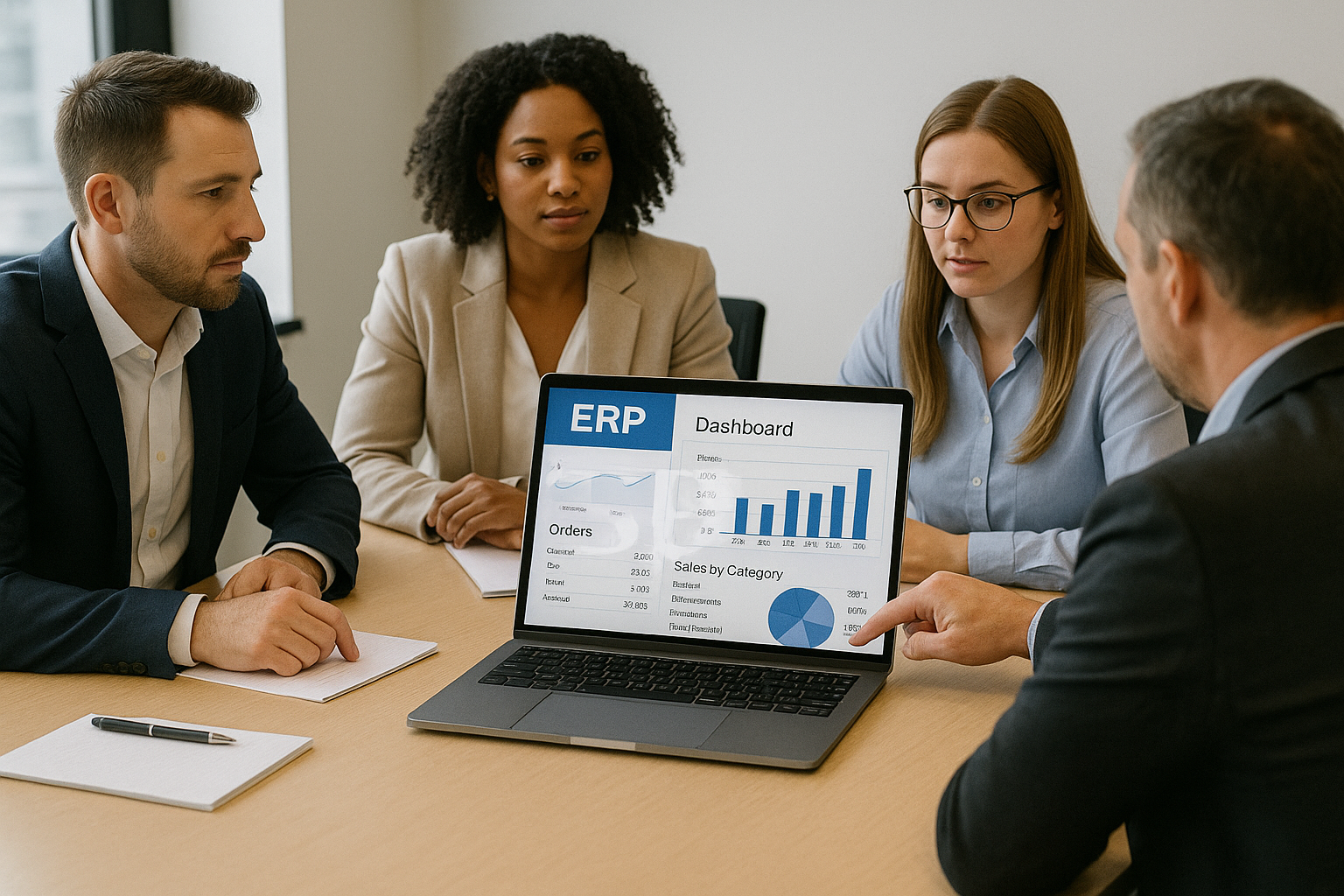
Real-time insights: Managers can access updated financials, inventory levels, and sales performance at any time.
Process automation: Routine tasks like invoicing, payroll, and purchase orders can run with minimal manual input.
Scalability: ERP platforms adapt as your business grows, adding modules or integrations as needed.
Key Features to Look for in an ERP System
When selecting an ERP solution, focus on functionality that aligns with your industry and growth plans:
Cloud-based architecture for remote accessibility and lower IT maintenance costs.
Modular design so you can start with essential features and expand later.
Strong API integrations to connect with CRM, e-commerce, or specialized tools.
Analytics and reporting to track KPIs and forecast trends.

Implementation Best Practices
Needs Assessment: Map out current workflows, identify bottlenecks, and set measurable goals for the ERP implementation.
Change Management: Train staff early and address resistance by highlighting how ERP will make their work easier.
Data Migration Planning: Cleanse and organize existing data before migration to avoid errors and inefficiencies.
Phased Rollout: Start with core modules, then gradually add more functionalities to minimize disruption.
Leveraging ERP for Profitability
ERP isn’t just about saving time—it’s a strategic tool for boosting revenue:
Inventory Optimization: Reduce overstock and prevent stockouts with real-time supply chain monitoring.
Improved Cash Flow: Automated invoicing and payment tracking speed up receivables.
Customer Retention: Integrations with CRM ensure seamless customer service and personalized experiences.

ERP Trends to Watch
The future of ERP is increasingly AI-driven, with predictive analytics, smart automation, and machine learning improving decision-making. Industry-specific ERP solutions are also emerging, offering pre-built processes tailored to niche markets.
An ERP system is more than software—it’s the central nervous system of your business. By implementing it thoughtfully and optimizing its use, you can reduce operational friction, make better decisions faster, and ultimately improve profitability.
Maximizing the benefits of an ERP system requires more than just choosing the right software—it’s about building an ongoing strategy for integration, adoption, and continuous improvement. Many companies fail to realize that ERP is not a “set it and forget it” tool. It needs to evolve alongside the business to maintain its relevance and impact.
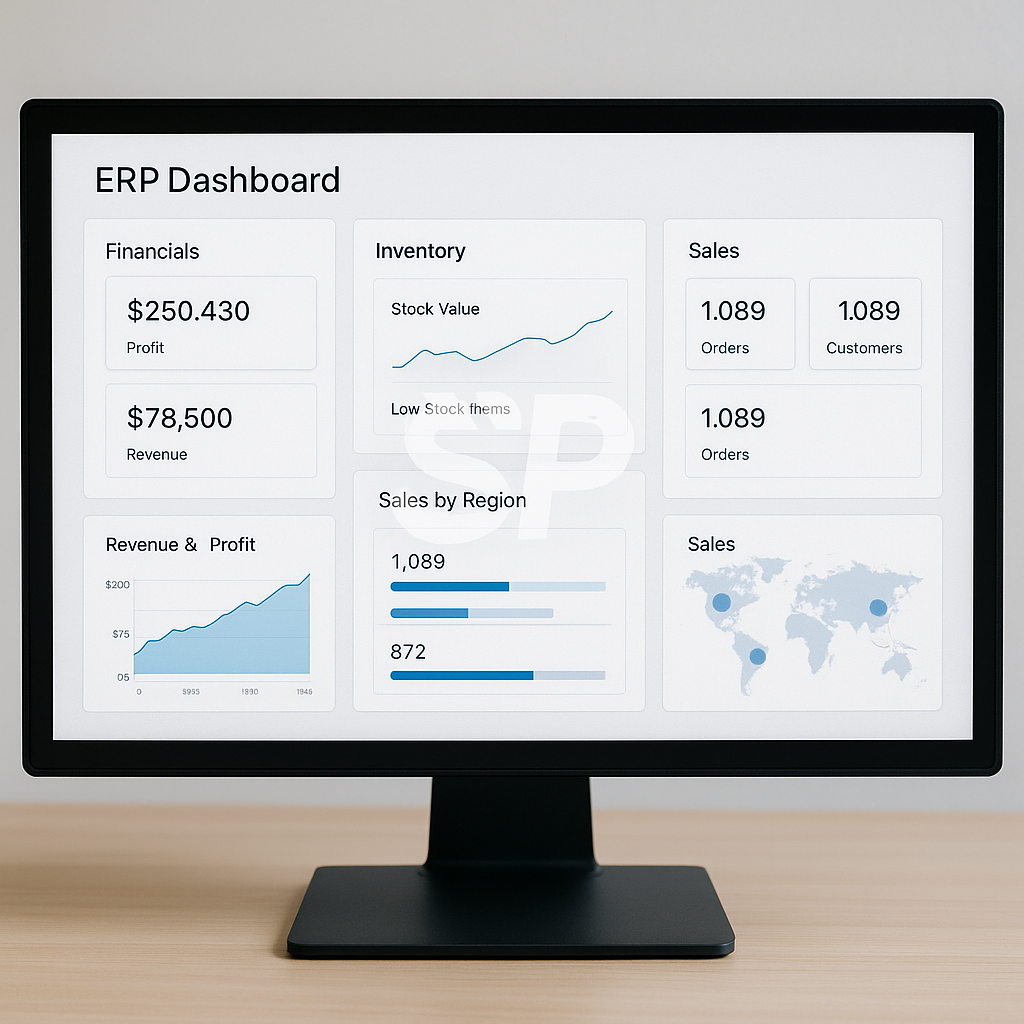
One of the most overlooked aspects of ERP success is user adoption. Even the most advanced ERP platform will underperform if employees are not properly trained or engaged. Establishing a culture where staff view ERP as a helpful partner, rather than an administrative burden, is essential. This can be achieved by customizing dashboards for specific roles, so that each department sees exactly the data they need, in a format that’s intuitive to them.
ERP systems are at their most powerful when fully integrated with the company’s other digital tools. For example, linking ERP with a CRM system allows sales teams to see inventory levels in real time, ensuring accurate delivery promises. Integrating ERP with an e-commerce platform can automate order fulfillment, reducing delays and manual data entry errors. API connectivity plays a huge role here, enabling seamless communication between systems without the need for constant human intervention.
For companies looking to drive profitability, leveraging ERP analytics is a game-changer. By tracking KPIs like lead time, customer acquisition costs, and return rates directly within the ERP, decision-makers can quickly spot inefficiencies and address them before they escalate. Predictive analytics modules can even forecast demand based on historical sales patterns, seasonal trends, or market shifts, allowing for proactive inventory and resource management.
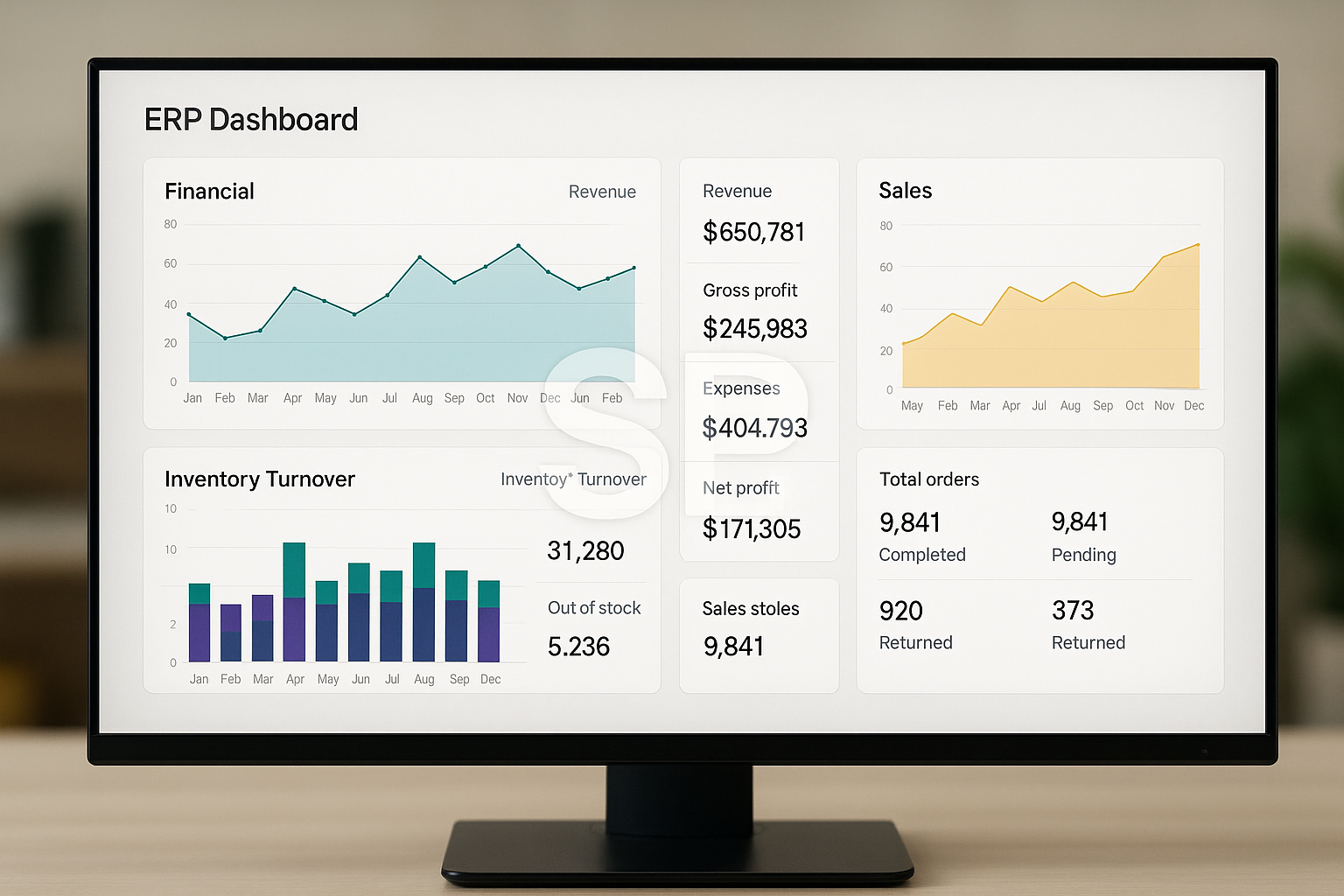
based ERP solutions offer another layer of scalability and flexibility, especially for businesses with distributed teams or multiple locations. The ability to access real-time data from anywhere reduces bottlenecks and fosters collaboration, while subscription pricing models can make high-end ERP capabilities more affordable for SMEs.
ERP optimization is an ongoing process. Periodic system audits ensure that workflows remain aligned with business goals, and updates are applied to maintain security and functionality. Gathering feedback from end-users and department heads helps identify new automation opportunities and eliminate redundant processes.
By approaching ERP not just as a software purchase but as a long-term operational strategy, businesses can unlock its full potential—transforming it from a back-office necessity into a core driver of growth, efficiency, and profitability.