Monetizing Global SaaS Tools with Microservices and API-Driven Workflows
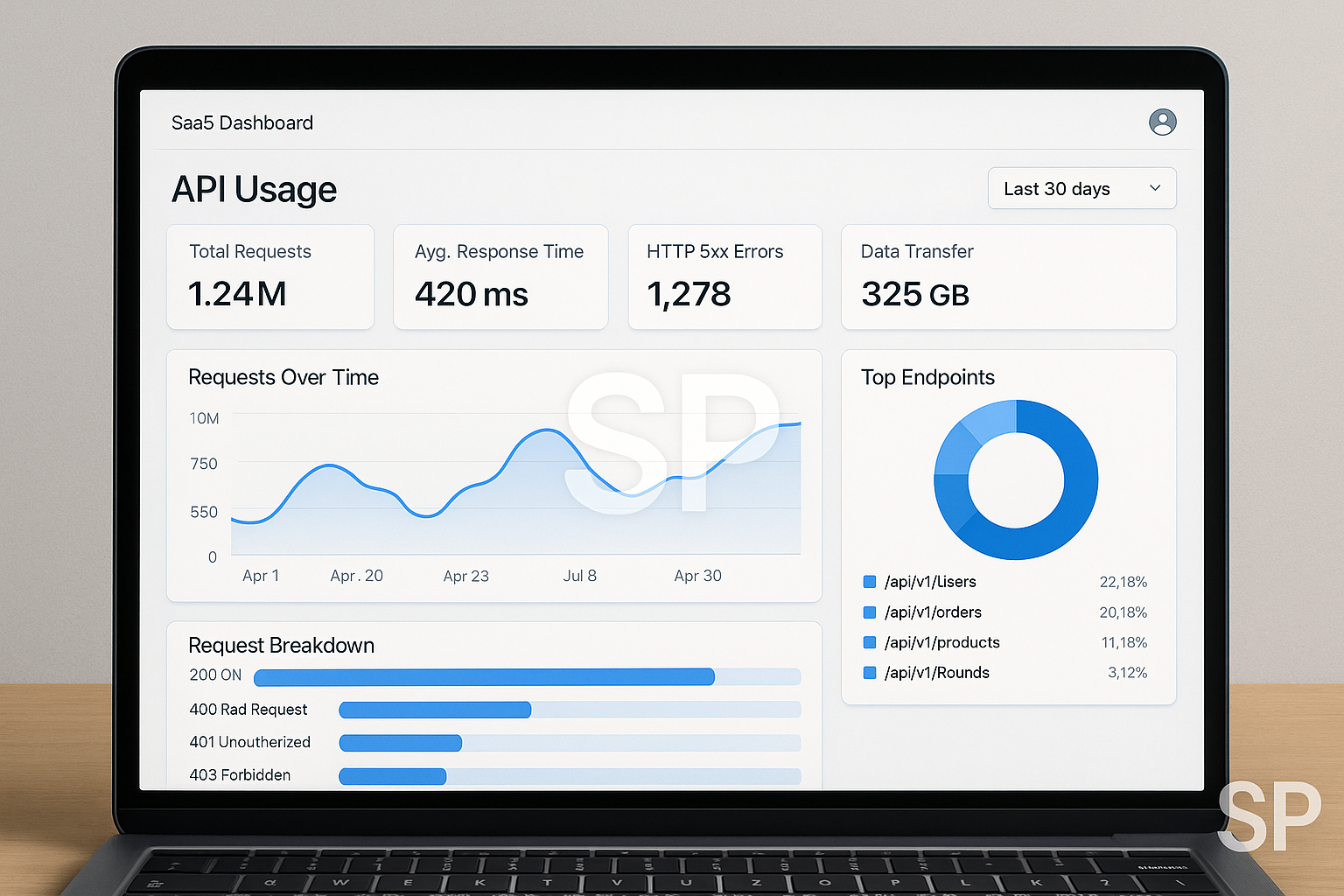
Monetizing a SaaS product today isn’t just about selling subscriptions^^
With the right combination of archiving strategies, microservices, and API integrations, you can unlock multiple revenue streams while keeping your core offering lean and efficient~
This approach allows you to adapt faster, scale smarter, and provide niche solutions that customers are willing to pay a premium for^-^
Let’s break down how you can structure a revenue-focused SaaS operation using these modern tools.
Build with a Microservices Mindset
A modular architecture allows you to develop, test, and deploy features independently.
Separate core functions from add-ons
Allow customers to pay only for the services they need
Reduce downtime with isolated service updates
Leverage APIs for Monetization
APIs are more than technical connections—they’re monetization gateways.
Offer tiered API access (free, premium, enterprise)
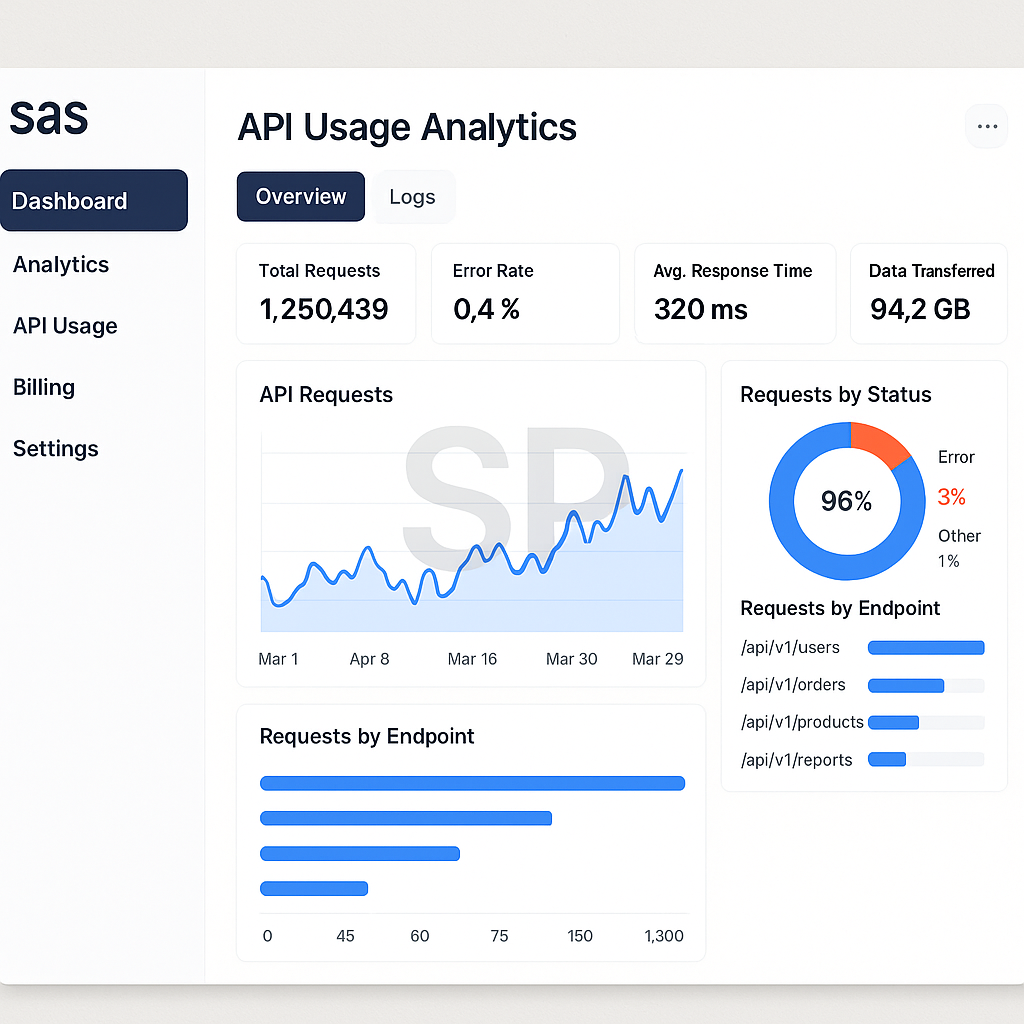
Track usage for billing transparency
Partner with third-party developers for revenue sharing
Create Paid Archiving Features
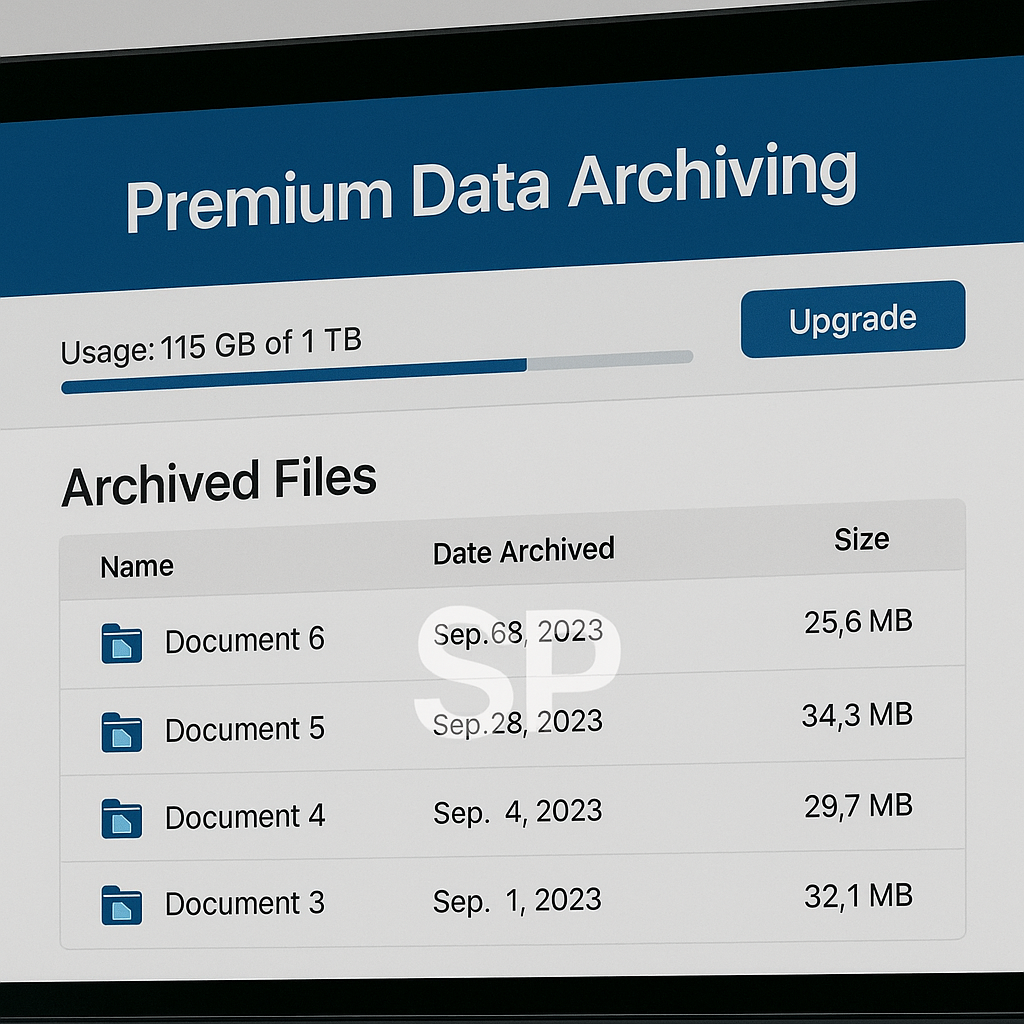
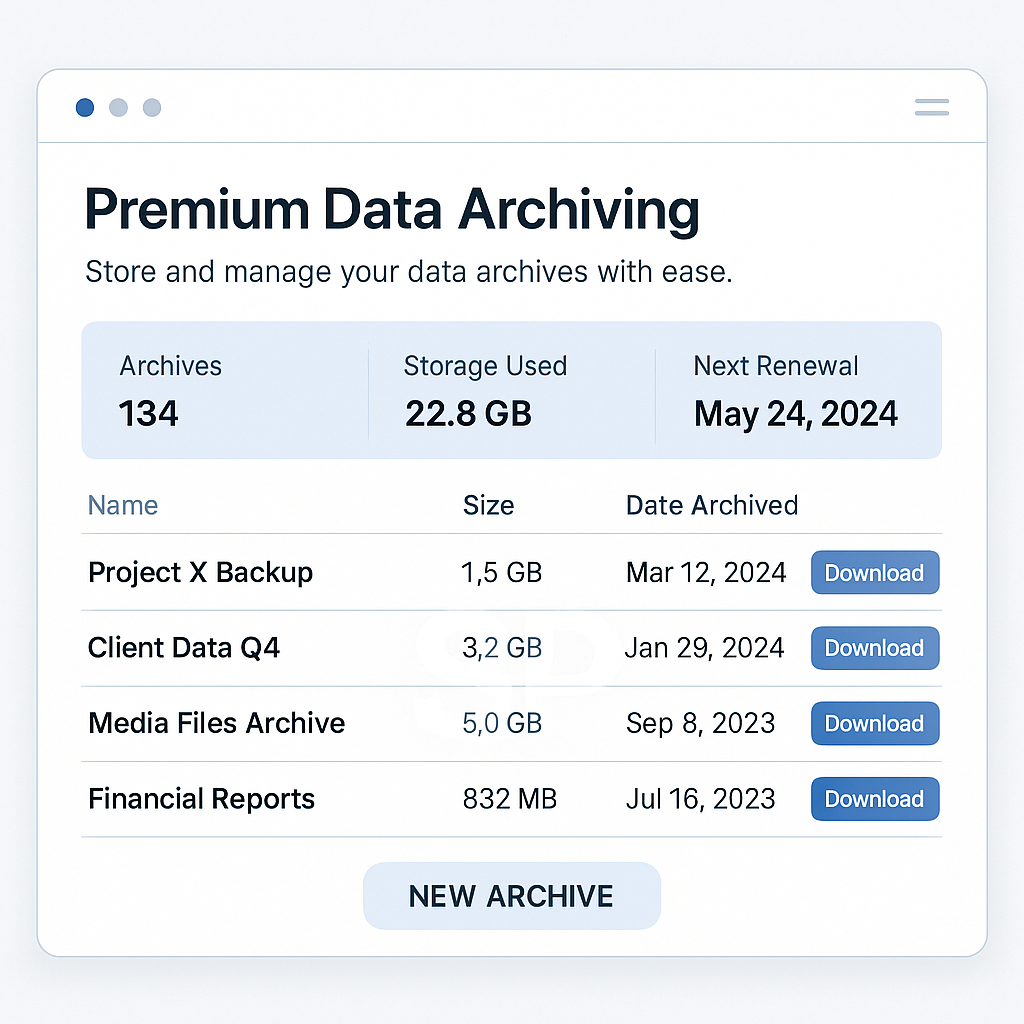
Data storage and retrieval can be a powerful upsell.
Offer extended history for a subscription fee
Provide export in premium formats
Ensure compliance with industry standards
Bundle Complementary Services
Packaging multiple services can increase customer lifetime value.
Combine your SaaS with analytics or reporting tools
Offer integration with popular platforms as a premium tier
Provide managed onboarding for a one-time fee
Optimize for Scalability and Cost Control
A profitable SaaS balances revenue growth with operational efficiency^^
Use cloud services that match your scaling needs
Automate infrastructure monitoring and scaling
Regularly review cost-per-user metrics
Common Questions Answered
Q. How soon can I monetize APIs after launch?
A. You can start with free access during beta and introduce paid tiers once usage grows.
Q. Should I handle microservices in-house or outsource?
A. In-house control ensures quality, but outsourcing non-core modules can save time.
Frequent Pitfalls and How to Fix Them
Overcomplicating microservices early → Start small and expand as needed
Underpricing API access → Benchmark against competitors and adjust
Extra Tip for Success
Regularly review customer feedback to refine pricing, features, and integrations for higher retention^-^
Expanding your SaaS monetization strategy often means going beyond your initial product vision. Many founders hesitate to add new revenue channels because they fear complexity, but when done strategically, these additions can actually make the business more resilient. For example, offering custom API endpoints for enterprise clients not only creates a high-value upsell but also builds deeper integration into their workflows, making your product harder to replace.
Another effective tactic is to create a partner ecosystem. By opening your APIs to vetted developers, you can encourage them to build complementary tools that enhance your core service. This kind of ecosystem can generate indirect revenue through affiliate programs, marketplace fees, or co-marketing opportunities, all while increasing your brand’s reach.
Don’t underestimate the power of usage-based pricing. While flat-rate subscriptions are easy to market, usage-based models align customer spending with the value they receive. For instance, charging for data processed, transactions completed, or API calls made allows smaller customers to start affordably while letting high-volume users contribute more to your revenue.
On the operational side, continuous cost optimization can significantly boost your margins. Cloud expenses, in particular, can creep up unnoticed. Setting automated alerts for cost thresholds, regularly reviewing reserved instance commitments, and negotiating better terms with providers can lead to substantial savings without affecting performance.
Finally, remember that SaaS monetization isn’t static. Customer needs, market trends, and technology evolve quickly. Scheduling quarterly monetization reviews ensures your offerings, pricing, and infrastructure stay aligned with both market demand and your growth goals. The businesses that adapt their monetization models proactively tend to not only survive but also thrive over the long term—turning a good SaaS into a consistently profitable one^-^