From Side Projects to Real Income: Building a SaaS Monetization System in 2025
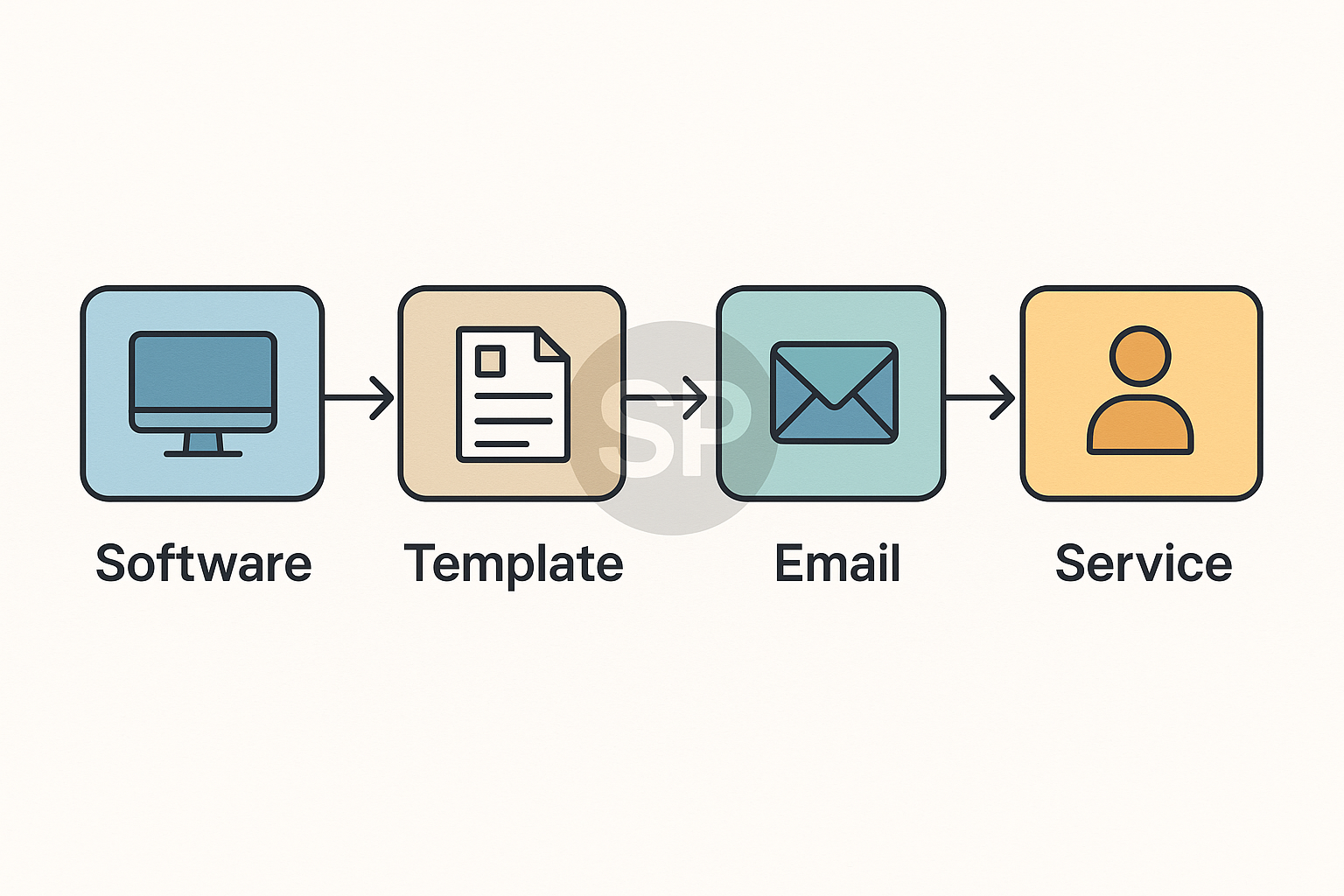
1. SaaS monetization isn’t about building the next unicorn—it’s about building systems
Not every SaaS tool needs to raise funding or go viral.
In 2025, even micro SaaS can earn $500–$2,000/month as a side income stream.
What matters isn’t scale—it’s structure.
Key monetization patterns:
Freemium → Paid Template
Free utility → API credits
Email capture → Paid content upgrade
One-time tool → Subscription support add-on
Instead of aiming for virality, aim for repeatability.
That’s the foundation of real monetization.
2. Turn your tool into a workflow, not just a feature
People don’t pay for features—they pay for solved problems.
If your tool exists in isolation, it gets ignored.
Embed your SaaS into a real use-case workflow:
Notion integration → productivity dashboard → pre-built workspace
Zapier automation → form → Airtable → reporting
Calendar tool → client booking → email → post-call summary
Once users depend on it in their weekly routine,
they’ll happily pay to keep that flow uninterrupted.
3. Charge for results, not tools
A big mindset shift in 2025 SaaS:
Users don’t care what it does—they care what they get.
Instead of highlighting:
❌ “This tool connects Gmail to Sheets”

Try:
✅ “Get a clean weekly sales report in 5 seconds”
This applies to pricing too:
Flat subscription → “Pay for outcomes” (e.g., $5/report)
Access → “Pay per success” (e.g., per API hit, booking, or task completed)
This way, even small tools can earn steadily without overwhelming users.
4. Add value through education, not just tech
SaaS tools are often abandoned because people don’t know how to use them fully.
The best monetizers in 2025 aren’t just building tools—they’re educating use.
Examples:
✍️ Blog: “3 automations I use to save 4 hours/week”
📩 Email series: “Build your first customer workflow with our tool”
🎥 Video: “How to set up your sales CRM in 10 minutes”
This creates multiple outcomes:
Improves retention
Brings traffic via SEO
Builds trust → converts free to paid
Creates space to upsell templates or consulting
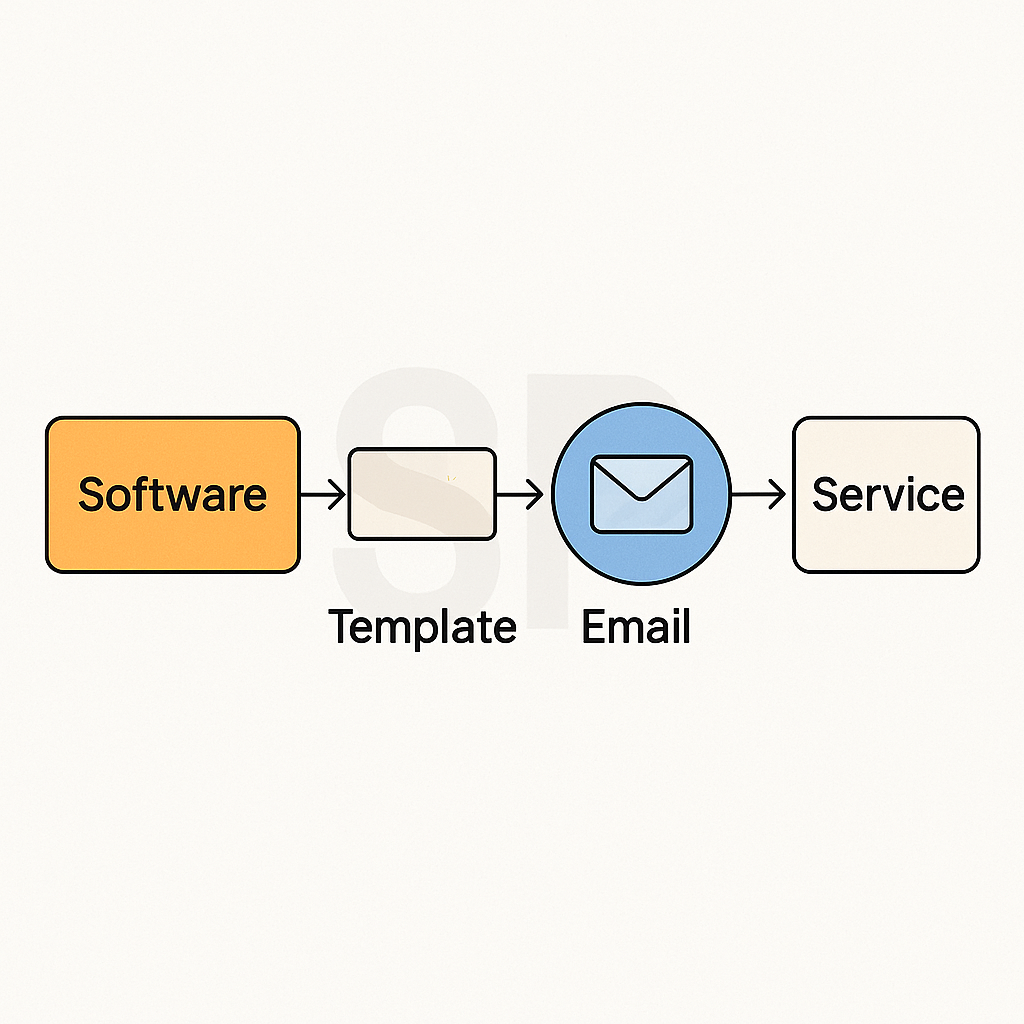
5. Use a stack-based monetization mindset
In 2025, you don’t need just “a product.” You need a stack.
Think of it like this:
SaaS Tool = main platform
Templates = quick-start solutions
Tutorials = traffic and trust
Community = feedback and stickiness
Affiliate Layer = extra monetization
This model turns you into a full-stack solo SaaS creator,
with multiple income points—even from one simple tool.
Once you’ve built your first paid SaaS tool—or even a small free version—
the next step is not “make more features.”
It’s build a system that earns while you sleep.
Let’s go deeper into how to expand a SaaS monetization system sustainably.
1. Add mini products that take 1 hour to build—but last forever
Don’t underestimate small assets.
Some of the best-performing monetized SaaS stacks include:
A $9 Notion template that links to your app
A checklist or calculator built with Tally or Typeform
A bonus automation pack bundled with your product
A micro e-book explaining your use case + tools
These can be created in a few hours, but become entry points into your ecosystem.
They also attract different buyer profiles—some people don’t want to pay monthly,
but will happily buy something once.
2. Don’t rely on “launches”—build compounding systems
The hype around a launch fades in days.
But systems compound.
Try this instead:
Schedule 1 tutorial per week → optimized for a keyword
Post one “use case thread” on X (Twitter) every Tuesday
Turn FAQs into a public help desk (SEO bonus!)
Embed call-to-action blocks across your docs and blog
These may feel slow at first,
but within 90 days, they drive repeatable, inbound interest
with no extra ad spend.
3. Make onboarding a part of the product—not a separate step
A huge drop-off in micro SaaS happens between:
“Looks cool!” → “I don’t know how to use this”
So treat onboarding like a core feature.
Auto-fill sample data when a new user signs up
Show a 2-minute demo on first load (not a 30-min course)
Use button labels like “Do This Now” instead of “Submit”
Offer a 1-click template import for common use cases
The faster someone uses the tool successfully,
the higher the chance they’ll stick—and pay.

4. Monetize content just like you monetize software
You already build the product.
Why not monetize the learning path too?
Here’s how:
Sell “deep dive” video tutorials (use Gumroad, Podia, or Lemon Squeezy)
Offer a “SaaS + setup” bundle ($10–$50 upsell)
Run a paid newsletter: “How I grow my SaaS 10% each month”
Package your MVP build process into a paid course
This way, you stop trading time for money
and start selling systems, outcomes, and experience.
5. Think beyond users—think ecosystem partners
Want to grow revenue without more marketing?
Look sideways:
Partner with a Zapier or Make template builder
List your tool in SaaS directories, communities, and Chrome Web Store
Cross-promote with a creator who targets the same users
Add an affiliate layer: 20–30% recurring works well for SaaS
When you build a product + content + affiliate-friendly funnel,
you stop doing everything alone—
and others start helping you grow.
Here’s the big idea:
Your SaaS isn’t just a product.
It’s a system of micro-offers, workflows, tutorials, templates, and content.
And when you treat it like a stack—not just an app—
you unlock multiple income streams, better user retention,
and the most powerful thing a solo creator can have:
Leverage.