SaaS Monetization, How to Build a Recurring Revenue Stream with Freemium :)
In the world of SaaS, getting users to sign up is just the beginning. The real challenge lies in turning those users into paying customers—consistently. One of the most powerful strategies for sustainable growth is building a recurring revenue stream through well-optimized freemium models. :)
Why Freemium Still Works (If Done Right)
Many believe freemium is outdated or leads to low conversion rates. But that’s not true if it's executed strategically. Offering core value upfront with enough limitations pushes users to upgrade without feeling pressured. Slack, Notion, and Canva all owe much of their growth to this exact method.
Designing a Freemium Model That Converts
It’s not just about giving things away for free. A strong freemium strategy defines the “aha moment” quickly while building value over time. For example:

Limit team collaboration, not solo use
Gate high-frequency features (like export/downloads)
Offer power-user perks like automation or integrations
This nudges serious users toward paid tiers, while keeping light users in your ecosystem.
Balancing Free Value with Premium Triggers
Too much free = no reason to pay. Too little = no engagement. The key lies in emotional timing. Use event-based prompts:
“You’ve reached your free limit”
“Upgrade to unlock this integration”
These gentle nudges create upgrade momentum without aggressive marketing.
Leverage Data for Tier Optimization
Your pricing tiers aren’t set in stone. Use data to find:
Which features users engage with most
When freemium users churn
What triggers free-to-paid conversion
Based on this, adjust tiers quarterly. Early-stage SaaS often see a 2–5% uplift in MRR just from proper tier tuning.
Pro Tips: Hybrid Monetization Models
Don’t stop at freemium. Combine other models:
Affiliate perks: offer bonus tools if users invite others
Pay-per-use add-ons: API calls, AI credits, etc.
Upsell consulting: support-heavy users may pay for onboarding or setup
This layered approach keeps your SaaS income flowing—even when churn is unavoidable.
If you're running or launching a SaaS product, your monetization model is just as important as your product roadmap. Strategic freemium isn’t just free—it’s frictionless growth with a revenue engine under the hood.
✍️ Extended Post (English Version – Freemium Monetization Deep Dive)
One of the most common mistakes early SaaS founders make is focusing too heavily on feature-based upgrade logic. While features are essential, they’re not enough. Without understanding the user’s context and motivation, converting them to paid plans becomes a guessing game.
Redesign Plans Based on User Journey, Not Features
Rather than grouping features together and labeling them “Premium,” think in terms of user progression.
For example:
Keep the free plan for beginners → Suggest upgrades as usage increases
Promote collaboration tools when team size grows
Expose admin or analytics features only after consistent activity
By mapping out the natural product journey, you can introduce paid plans at moments of real need—not just when you want to sell.
Frame Upgrades Around Problems, Not Features
Instead of saying “Upgrade to Pro,” try:
“To keep collaborating with your team, you’ll need to upgrade”
“Secure backups are part of our premium plan”
These statements focus on solving a pain point, which triggers action better than feature lists ever will.
People don’t pay for features—they pay to remove friction.
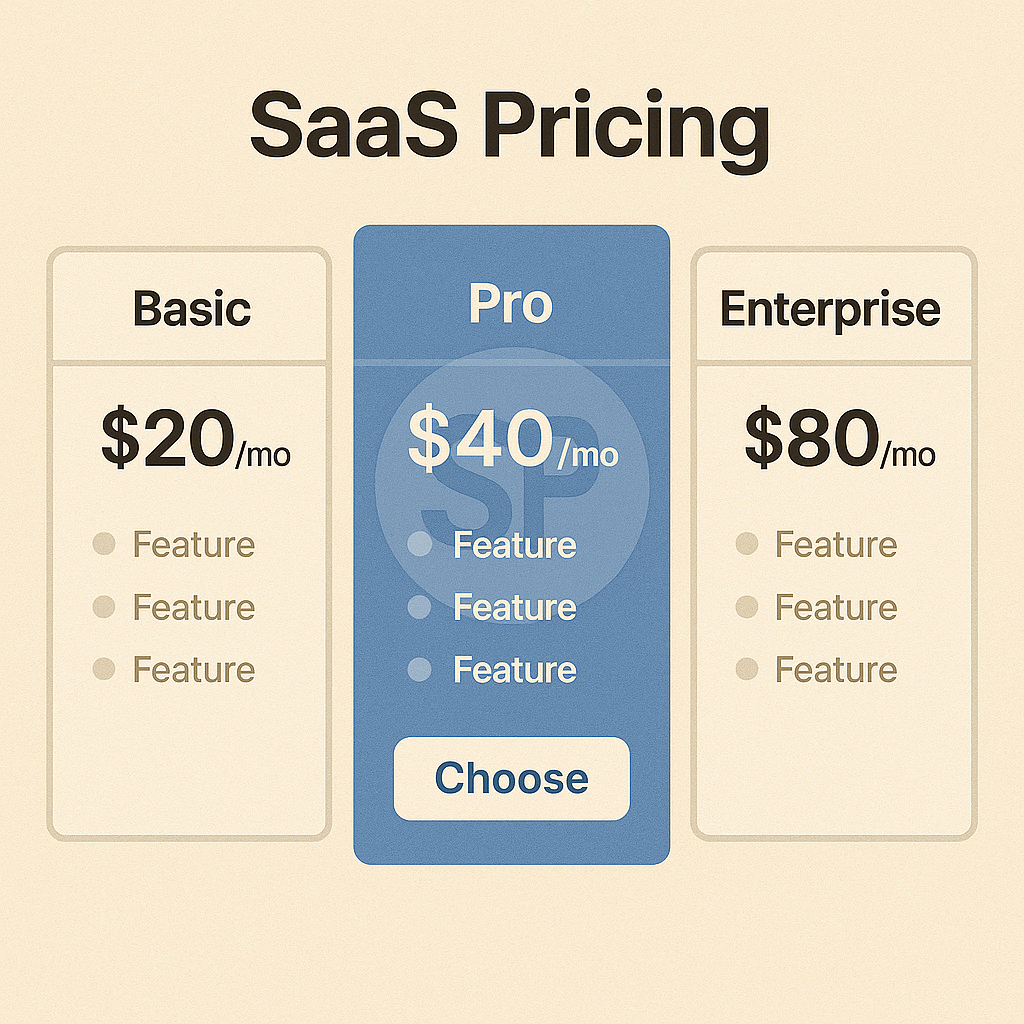
Create Personas and Segment Your Pricing Accordingly
Most SaaS products serve multiple personas:
Freelancers
Startup teams
Enterprises or education customers
Using one flat pricing model for all three will either scare off solo users or undercharge power users.
Instead, repackage features, support, and even UI language based on persona. Small changes like this can unlock huge conversion improvements.
Reduce Friction at the Point of Purchase
Sometimes, users reach the checkout and still don’t convert. Try these UX patterns to minimize drop-off:
Highlight the annual plan savings as a monthly equivalent
Offer a 14-day free trial with seamless upgrade
Allow users to experience some features before entering payment info
Lowering friction at this moment increases paid adoption dramatically.
How Top SaaS Companies Diversify Monetization
High-growth SaaS products rarely rely on just one source of income. Instead, they mix models to create financial resilience:
Core subscription plans
API usage pricing
Add-on upgrades (e.g., templates, premium features)
Marketplace revenue (via integrations or app stores)
Consulting or onboarding services
This layered structure creates multiple revenue touchpoints, even if one segment slows down.
Keep Users Engaged with Content + Guided Onboarding
Retention is just as important as acquisition. Create a system of helpful, lightweight support to reduce churn:
Weekly or monthly tutorials
Feature highlight emails
Pre-built templates and real use-case examples
These resources ensure users not only stay—but also grow into your higher-tier plans.
Ultimately, freemium monetization isn’t just about converting users from free to paid.
It’s about crafting a thoughtful experience that grows with your users, solves their evolving problems, and builds trust over time.
That’s how a SaaS becomes not just a tool—but a system users are happy to pay for.!!!!